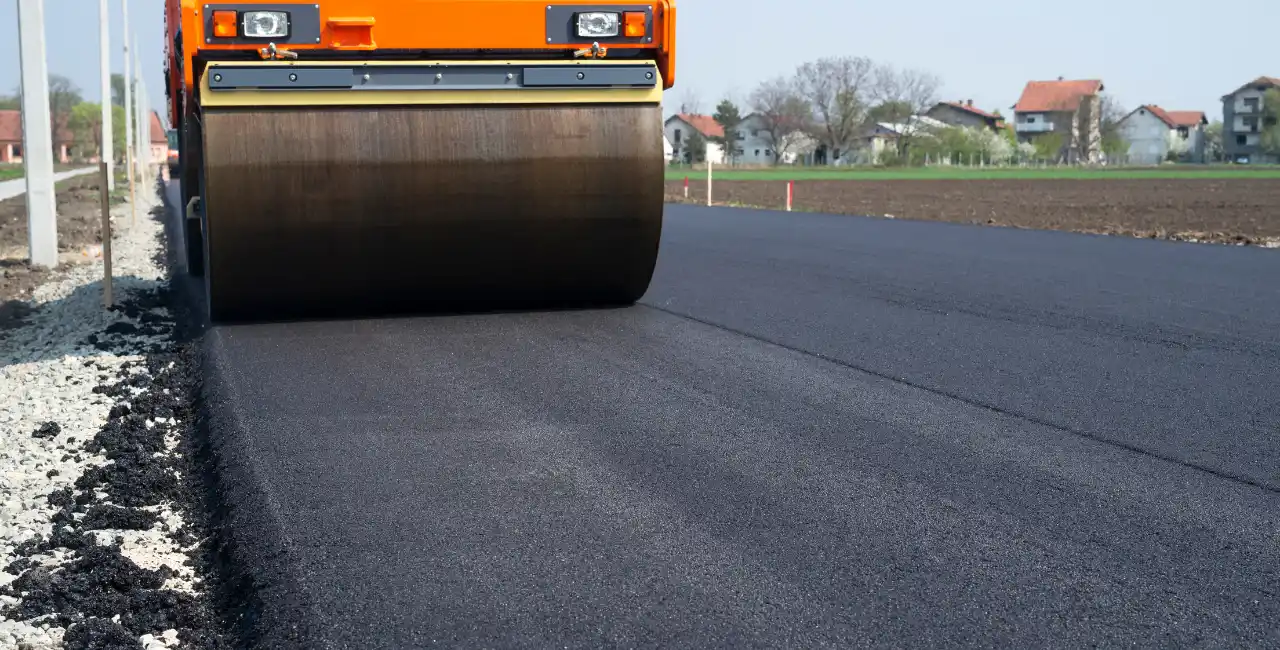
Maintaining asphalt pavement is essential for businesses that rely on safe, functional, and visually appealing parking lots. Over time, exposure to heavy traffic, UV rays, and rainfall can cause pavement to deteriorate. While resurfacing is an effective solution, many businesses make costly mistakes during the process.
Understanding the most common errors in asphalt resurfacing can help property owners avoid unnecessary expenses and ensure long-lasting results. Whether you manage a retail center, office complex, or industrial property, avoiding these mistakes is critical to maximizing the lifespan of your pavement.
What Is Asphalt Resurfacing?
Asphalt resurfacing is the process of applying a new asphalt layer over an existing surface to restore its strength and appearance. It is commonly used in commercial parking lots where the foundation remains stable but the top layer shows wear and damage.
This process is a key part of parking lot maintenance and helps extend pavement life without the cost of full replacement. However, resurfacing must be done correctly to deliver the expected results.
What Are the Biggest Asphalt Resurfacing Mistakes?
The most common asphalt resurfacing mistakes include:
- Skipping proper surface preparation
- Ignoring drainage issues
- Failing to repair underlying damage
- Using low-quality materials
- Hiring inexperienced contractors
Avoiding these mistakes can significantly improve the durability and performance of resurfaced asphalt.
Why Can Mistakes in Asphalt Resurfacing Be So Costly?
Mistakes during resurfacing can lead to early pavement failure, requiring frequent repairs or even full replacement. Poor workmanship often results in cracks, potholes, and uneven surfaces within a short period.
Businesses that invest in proper parking lot maintenance and work with experienced contractors typically see better long-term results and lower maintenance costs.
Top Asphalt Resurfacing Mistakes and How to Avoid Them
1. Skipping Proper Surface Preparation
One of the most critical steps in resurfacing is preparing the existing pavement. Dirt, debris, and oil stains must be removed before applying a new asphalt layer.
Failure to properly clean and prepare the surface can prevent the new asphalt from bonding correctly, leading to premature deterioration.
2. Ignoring Underlying Structural Issues
Resurfacing only addresses the top layer of asphalt. If the base layer is damaged, resurfacing will not solve the problem.
Common structural issues include:
- Weak sub-base
- Water damage
- Severe cracking
Ignoring these problems can cause the new asphalt layer to fail quickly.
3. Poor Drainage Planning
Water is one of the leading causes of asphalt damage. Without proper drainage, water can seep into the pavement and weaken the base layer.
Businesses should ensure that their parking lots have proper grading and drainage systems before resurfacing.
4. Using Low-Quality Materials
The quality of asphalt materials directly affects the durability of the resurfaced pavement. Low-quality materials may save money initially but often lead to higher maintenance costs over time.
High-quality asphalt mixtures provide better resistance to traffic and environmental stress.
5. Hiring Inexperienced Contractors
Choosing the wrong contractor is one of the biggest mistakes businesses make. Inexperienced contractors may lack the knowledge and equipment needed to complete resurfacing projects properly.
A professional contractor ensures:
- Proper surface preparation
- High-quality materials
- Correct installation techniques
Asphalt Resurfacing Lifespan Comparison
Proper resurfacing techniques can significantly extend pavement life, while mistakes can shorten it dramatically.
| Resurfacing Condition | Average Lifespan | Maintenance Needs |
| Poorly executed resurfacing | 3–5 years | Frequent repairs |
| Standard resurfacing | 8–12 years | Moderate maintenance |
| High-quality resurfacing | 12–15 years | Preventive maintenance |
| Resurfacing with ongoing maintenance | 15+ years | Minimal repairs |
This table highlights the importance of avoiding mistakes and following best practices during resurfacing.
Asphalt Maintenance Statistics Businesses Should Know
Preventive maintenance plays a major role in extending pavement life and reducing costs.
| Maintenance Metric | Industry Average |
| Pavement failures caused by water damage | ~70% |
| Lifespan increase with proper resurfacing | 30–50% |
| Cost savings with preventive maintenance | Up to 65% |
| Crack reduction with proper repairs | Up to 60% |
| ROI on maintenance programs | $1 saves $6 in repairs |
Source: National Asphalt Pavement Association (NAPA), Federal Highway Administration (FHWA), Pavement Preservation & Recycling Alliance (PPRA)
These statistics show why proper resurfacing and maintenance are essential for commercial properties.
The Importance of Timely Repairs Before Resurfacing
Before resurfacing, contractors should address all existing pavement damage. This includes:
- Filling cracks
- Repairing potholes
- Stabilizing weak areas
Timely repairs ensure that the new asphalt layer is applied over a stable surface, improving its durability.
What Are the Key Steps in the Asphalt Resurfacing Process?
A professional resurfacing project involves several key steps:
Inspection and Evaluation
Contractors assess the condition of the pavement to determine whether resurfacing is appropriate.
Surface Cleaning
The existing pavement is cleaned to remove debris, oil, and dirt.
Repair Work
Cracks and potholes are repaired to create a stable base.
Asphalt Overlay Application
A new asphalt layer is applied and compacted to create a smooth surface.
Final Finishing
Striping and markings are added to complete the project.
Following this process ensures that resurfacing delivers long-lasting results.
How Can Proper Asphalt Resurfacing Improve Your Pavement?
When done correctly, resurfacing offers several advantages for businesses:
Cost Savings
Resurfacing is more affordable than full pavement replacement.
Improved Safety
Smooth pavement reduces the risk of accidents and vehicle damage.
Better Appearance
Fresh asphalt enhances the overall look of commercial properties.
Extended Pavement Life
Proper resurfacing can add years to the lifespan of asphalt surfaces.
How to Choose the Right Asphalt Contractor
Selecting the right contractor is essential for avoiding resurfacing mistakes.
Businesses should look for:
- Experience with commercial projects
- Proper licensing and insurance
- High-quality materials
- Positive customer reviews
- Comprehensive maintenance services
Working with a professional contractor, like Southern Asphalt Engineering, ensures that resurfacing projects meet industry standards.
Avoid Asphalt Resurfacing Mistakes for Long-Lasting Results
Asphalt resurfacing is an effective way to restore pavement and extend its lifespan. However, mistakes during the process can lead to costly repairs and early pavement failure.
By avoiding common errors such as poor preparation, ignoring structural issues, and hiring inexperienced contractors, businesses can ensure successful resurfacing projects.
Investing in proper parking lot maintenance and working with experienced professionals helps protect your pavement and maintain a safe, attractive environment for customers and employees.
For Miami businesses, taking the right approach to asphalt resurfacing ensures long-lasting results and maximum return on investment.
FAQs
What are the most common asphalt resurfacing mistakes?
Common mistakes include poor surface preparation, ignoring drainage issues, using low-quality materials, and hiring inexperienced contractors.
How long does asphalt resurfacing last?
Properly done asphalt resurfacing can last 10 to 15 years, depending on traffic and maintenance.
Can resurfacing fix potholes and cracks?
Yes, but repairs must be completed before resurfacing to ensure a smooth and durable surface.
How often should businesses resurface parking lots?
Most commercial parking lots should be resurfaced every 10–15 years with regular maintenance in between.
Is asphalt resurfacing better than replacement?
Resurfacing is more cost-effective when the pavement base is still in good condition. Severe damage may require full replacement.