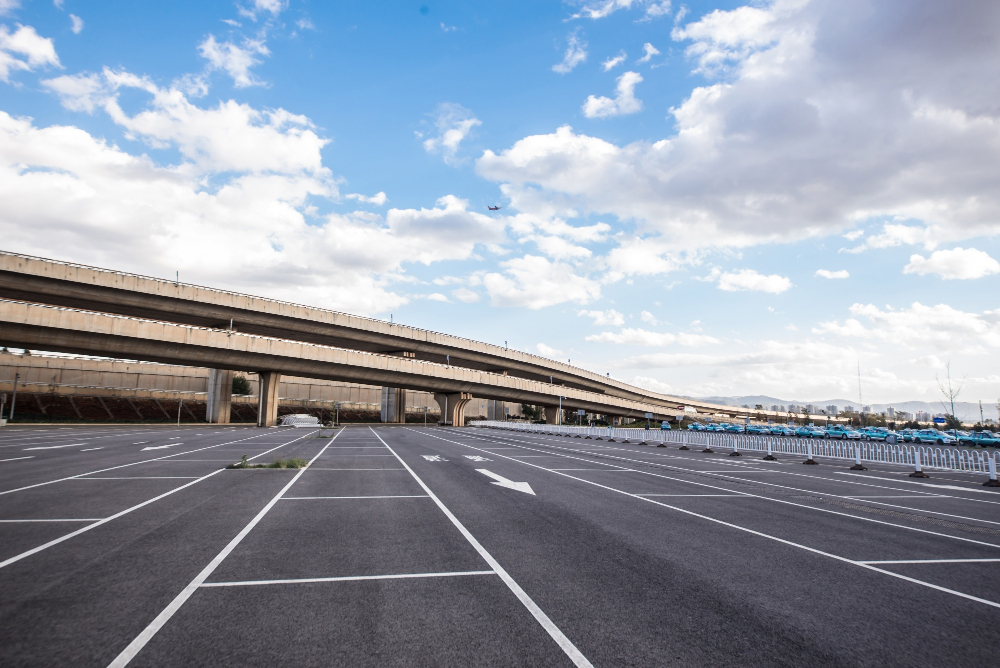
For shopping malls, retail plazas, and multi-tenant commercial properties, the parking lot is more than an exterior surface — it is a critical part of the customer journey. Before a shopper enters a store, they have already formed an impression of the property based on accessibility, cleanliness, and safety. This is why commercial parking lot maintenance is essential to the business.
For retail-focused commercial assets, pavement conditions directly influence customer confidence, tenant performance, and long-term lease value. At Southern Asphalt Engineering, commercial asphalt projects are approached with this broader business impact in mind — not simply as surface repairs, but as strategic infrastructure investments.
The Parking Lot as a Revenue Driver
Retail is driven by convenience and experience. Customers gravitate toward properties that feel organized, safe, and professionally managed. A cracked, poorly striped, or pothole-filled parking lot creates friction before a purchase decision even begins.
When parking areas are deteriorated, customers may:
- Choose a competing shopping center
- Limit the length of their visit
- Feel unsafe walking at night
- Perceive the property as poorly managed
These perceptions directly affect foot traffic patterns and, ultimately, tenant sales performance.
A well-maintained parking lot, on the other hand, supports smooth traffic flow, clear navigation, and pedestrian safety — reinforcing a positive retail experience.
Impact on Tenant Retention and Lease Value
For shopping center owners and property managers, tenant retention is critical. National retailers and franchise operators evaluate site conditions carefully when renewing leases. Exterior infrastructure plays a significant role in how tenants perceive long-term viability.
If tenants experience:
- Customer complaints about potholes
- Delivery truck access challenges
- Flooding after heavy rain
- Faded or confusing parking layouts
They may question whether the property is being properly managed.
Proactive asphalt maintenance demonstrates strong ownership and oversight, protecting the property’s competitive positioning in the market.
Commercial Parking Lot Maintenance: Safety and Liability Considerations
Retail plazas experience high pedestrian traffic, especially in the evenings and during peak shopping seasons. Uneven pavement, poor drainage, and faded striping increase the likelihood of slip-and-fall incidents or vehicle collisions.
From a risk management perspective, maintaining pavement conditions helps:
- Reduce insurance exposure
- Minimize liability claims
- Improve pedestrian visibility
- Maintain ADA-compliant accessibility
Addressing surface issues early is significantly less expensive than managing legal disputes or emergency structural repairs.
Reactive vs. Proactive Maintenance: Financial Comparison
Delaying maintenance may appear cost-effective in the short term, but deterioration accelerates quickly in high-traffic commercial environments, especially in South Florida’s climate.
| Category | Reactive Approach | Proactive Approach |
|---|---|---|
| Repair Frequency | Emergency repairs | Scheduled maintenance |
| Structural Damage | More likely | Prevented early |
| Tenant Complaints | Frequent | Minimal |
| Customer Experience | Negative | Positive |
| Long-Term Cost | Higher total lifecycle cost | Lower overall lifecycle cost |
Preventative strategies such as crack sealing, sealcoating, restriping, and drainage evaluation extend pavement life while protecting operational continuity.
South Florida-Specific Challenges for Retail Properties
Commercial properties in South Florida are subject to environmental stressors that accelerate asphalt deterioration. Intense UV exposure oxidizes asphalt surfaces, heavy rainfall strains drainage systems, and high daily vehicle turnover increases wear.
Retail centers also experience delivery truck traffic in loading zones, adding structural stress to pavement sections not originally designed for heavy loads.
Without periodic inspections and lifecycle planning, minor surface cracks can quickly evolve into structural failures requiring costly reconstruction.
When Retail Property Managers Should Schedule an Inspection
Property managers should consider a professional pavement evaluation if they notice:
- Expanding crack networks
- Surface ravelling or loose aggregate
- Standing water after rainfall
- Faded parking stall markings
- Customer or tenant complaints about safety
Early intervention reduces capital expenditure and prevents unexpected operational disruption.
Parking Lots as Strategic Infrastructure
For commercial retail properties, pavement is not cosmetic — it is operational infrastructure. It supports customer flow, protects tenants’ brand perception, and contributes to overall asset value.
An organized, well-maintained parking lot communicates stability and professionalism. In competitive retail markets, that perception matters.
Schedule a Commercial Pavement Evaluation
Shopping centers and multi-tenant commercial properties depend on consistent foot traffic and strong tenant performance. Parking lot conditions directly influence both.
Proactive asphalt management reduces liability, protects revenue, and enhances long-term property value. Rather than waiting for visible deterioration, strategic lifecycle planning ensures that retail environments remain safe, accessible, and competitive.
If you manage a shopping mall, retail plaza, or multi-tenant commercial property, proactive asphalt planning protects both tenant satisfaction and long-term asset value.
Contact Southern Asphalt Engineering today to schedule a comprehensive pavement assessment and develop a lifecycle maintenance strategy tailored to your commercial property.
Commercial Parking Lot Maintenance FAQ
How often should a commercial retail parking lot be inspected?
Most retail properties benefit from a professional inspection at least once per year, with additional evaluations after major storm events.
Does parking lot condition really affect tenant sales?
Yes. Customer experience begins in the parking area. Poor access, safety concerns, or congestion can reduce repeat visits and negatively impact tenant revenue.
What is the most cost-effective preventative maintenance service?
Crack sealing and sealcoating are typically the most affordable preventative measures and significantly extend pavement lifespan when applied on schedule.
How can the asphalt work be completed without disrupting retail operations?
Phased construction, off-peak scheduling, and clear communication with tenants minimize disruption during commercial paving projects.
When is full reconstruction necessary?
If the pavement base has failed or widespread structural cracking is present, resurfacing or reconstruction may be required instead of surface-level repairs.