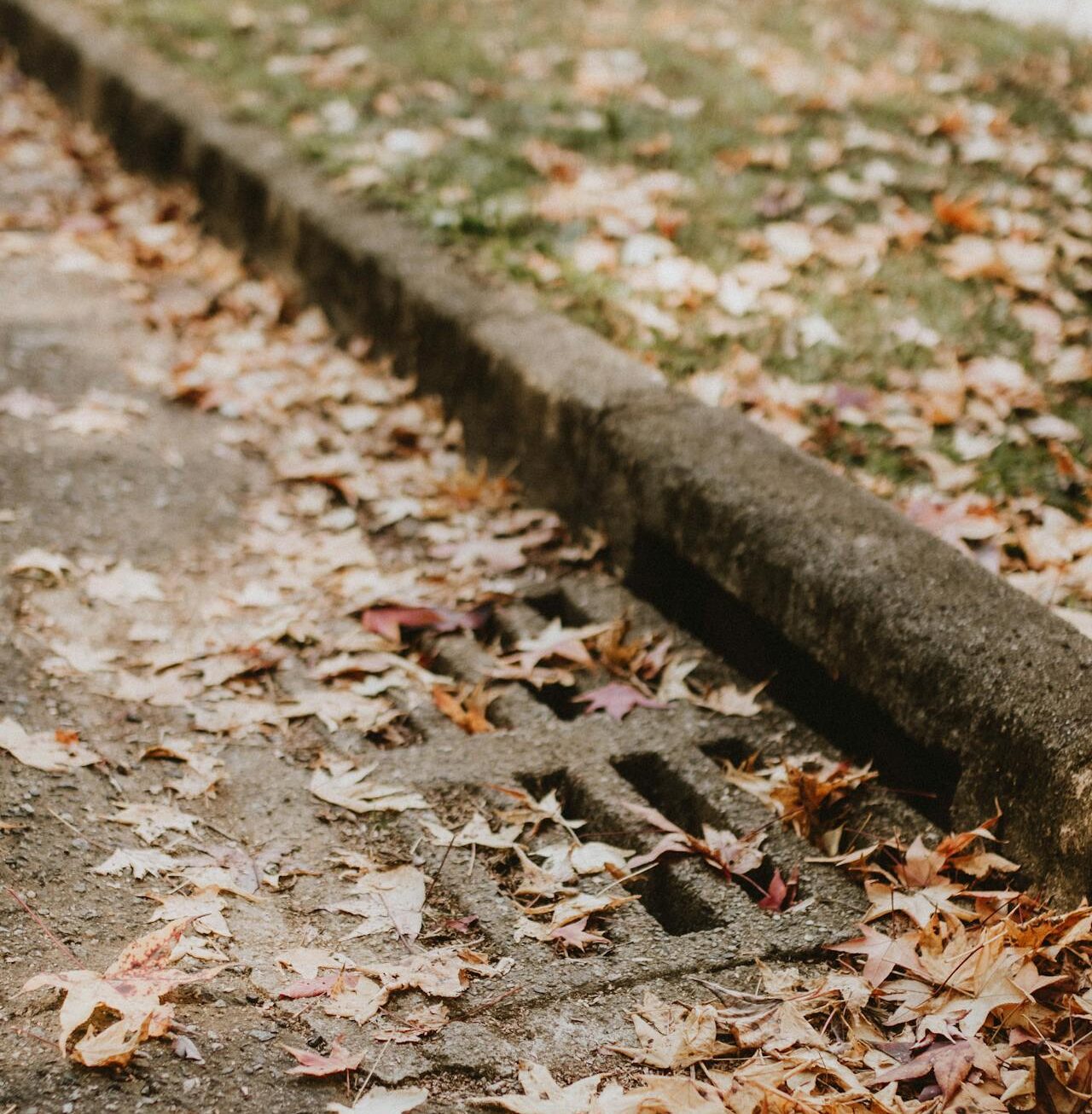
Why Curb Drains Are Crucial in Miami
Miami receives some of the heaviest rainfall in the U.S., and localized flooding is common in Doral, Miami Beach, Sweetwater, Kendall, and Cutler Bay. Curb drains keep water moving away from critical areas, protecting asphalt, sidewalks, and structures.
If water pools on your property after every storm, the curb drain system may be failing—or missing entirely.
How Curb Drains Work
Curb drains collect surface water and direct it into:
- Catch basins
- Underground stormwater pipes
- Swales
- Retention areas
A working curb drain keeps asphalt dry, prevents erosion, and maintains safe pedestrian walkways.
Types of Curb Drains in Miami
Curb Inlet
A curb inlet is built directly into the face of the curb, allowing water to enter from street or parking-lot level. It’s designed to pull in runoff quickly, especially during heavy Miami downpours, and direct it into the underground stormwater system. These are commonly used along roadways, parking lots, and commercial properties where surface water needs immediate capture.
Drop Inlet
A drop inlet sits below pavement level and is ideal for deeper drainage situations or areas with heavy water volume. Water drops vertically into a catch basin before moving into the stormwater line. Drop inlets are often used in low spots, areas prone to flooding, or older properties with uneven grading. They’re essential for preventing standing water that can break down asphalt.
Side-Opening Curb Drain
A side-opening curb drain includes an opening in the curb that sits parallel to the roadway, making it effective for sloped pavement where water moves quickly along the gutter line. These are common along commercial boulevards, arterial roads, and industrial properties that need fast-moving water to be captured without disrupting traffic flow.
Curb Opening with Grates
This type combines a curb inlet with a protective metal grate. The grate prevents debris, trash, and leaves from entering the drainage system—important in areas with heavy foot traffic, landscaping, or high stormwater flow. It improves safety for pedestrians and keeps the drainage system functioning properly during Miami’s rainy season.
Common Problems That Require Repair
You may need new curb drains if you notice:
- Extensive water pooling
- Standing water hours after rain
- Asphalt softening or cracking
- Algae or mildew buildup
- Sinkholes or settling around the drain
- Debris blockage
- Broken or rusted grates
These issues worsen quickly in tropical weather.
Installation Process
A professional curb drain installation includes:
- Site inspection
- Water-flow analysis
- Excavation and grading
- Concrete forming
- Installing drain inlet structures
- Connecting to stormwater lines
- Rebuilding asphalt around the drain
The entire process typically takes 1–3 days, depending on complexity.
Benefits for Property Owners
- Reduced flooding
- Longer pavement lifespan
- Fewer slip-and-fall risks
- Lower maintenance costs
- Better curb appeal
- Compliance with local drainage codes
This makes curb drains a smart investment for HOAs, shopping centers, industrial sites, and schools.
Curb Drains in South Florida FAQs
Why do curb drains fail in Miami?
Common causes include debris buildup, erosion, heavy rainfall, aging infrastructure, and improper grading.
How do I know if my curb drain needs repair?
Frequent flooding, standing water, algae growth, cracking, and sinking around drains are strong indicators.
How long does curb drain installation take?
Most installations take 1–3 days, depending on depth, access, and stormwater connections.
Do curb drains prevent property flooding?
Yes—curb drains redirect stormwater into drainage systems, reducing flood risk for HOAs and commercial properties.
Can curb drains be added to an existing parking lot?
Absolutely. Contractors can install new drains or integrate them into older lots to improve water flow.
How often should curb drains be maintained?
Most properties inspect drains every 6–12 months, especially before and after hurricane season.