Key Points
- Speed bumps reduce vehicle speeds, pedestrian risk, and accident-related liability in parking lots.
- Costs depend on material, size, and whether installation is permanent or temporary.
- Speed bumps are most effective in areas with repeated speeding, near-misses, or safety complaints.
What Are Speed Bumps and Why Are They Used in Parking Lots?
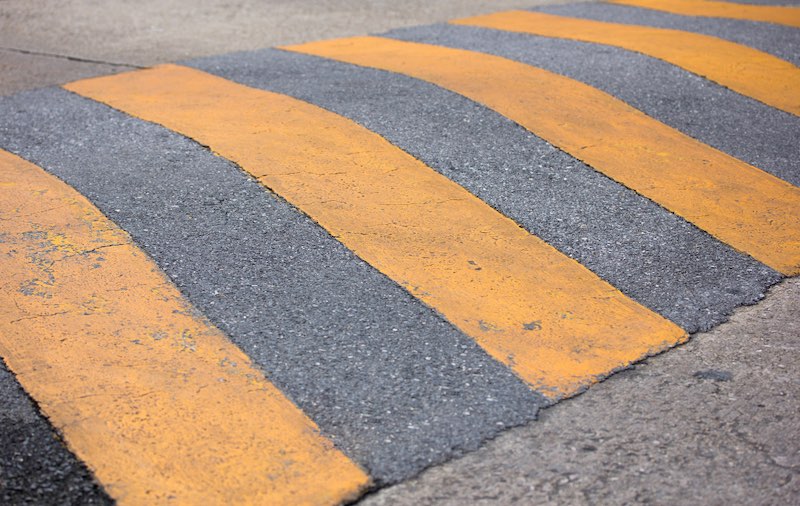
Speed bumps are raised pavement features designed to force drivers to slow down over a very short distance. In parking lots, they create predictable driving behavior, reduce cut-through traffic, and lower the risk of collisions involving pedestrians, parked vehicles, and building entrances.
Unlike speed limit signs or painted warnings, speed bumps physically limit vehicle speed. This makes them especially effective in commercial and shared parking environments where posted limits are often ignored or where drivers attempt to shortcut traffic.
Property owners often install speed bumps after safety incidents occur, but installing them proactively can reduce risk before accidents, claims, or injuries happen.
When Are Speed Bumps Necessary in Parking Lots?
Speed bumps are not required in every parking lot, but they become necessary when specific conditions exist.
Common indicators include repeated complaints about speeding, high pedestrian activity, poor visibility, frequent turning or stopping, and documented near-miss incidents. Parking lots that benefit most from speed bumps include shopping centers, apartment complexes, office parks with shared drive lanes, schools, churches, hospitals, and industrial facilities with delivery traffic.
Speed bumps are especially effective near entrances and exits, crosswalks, loading zones, trash enclosures, and areas where vehicles and pedestrians regularly interact. Insurance carriers and safety auditors often recommend them after reviewing incident data, and proactive installation can demonstrate a clear commitment to risk reduction.
Speed Bump Costs for Parking Lots
The cost of speed bumps varies based on material, durability, and installation method. Permanent asphalt speed bumps are the most common choice for parking lots because they integrate into the pavement and withstand repeated traffic.
Typical Installed Cost Ranges
| Speed Bump Type | Typical Installed Cost |
|---|---|
| Asphalt speed bump | $300–$1,000 per bump |
| Rubber speed bump | $500–$1,500 per bump |
| Concrete speed bump | $1,000–$3,000 per bump |
Asphalt speed bumps are usually the most cost-effective long-term option. Rubber speed bumps are sometimes used for temporary traffic control but can shift or degrade over time. Concrete speed bumps offer durability but are more expensive and less flexible if traffic patterns change.
Additional costs may apply if pavement repairs, drainage corrections, or restriping are required before installation.
Installation Process
Professional installation is critical for performance and longevity. Poorly installed speed bumps can crack, separate from the pavement, or cause unnecessary vehicle impact.
The installation process typically begins with a site evaluation to assess traffic flow, slope, drainage, and placement locations. The pavement is cleaned and repaired to create a stable base. Asphalt speed bumps are then formed to proper height and width, compacted, and allowed to cure.
After installation, reflective striping and warning markings are applied to ensure visibility during both daytime and nighttime conditions. Proper placement and clear markings help drivers slow smoothly rather than brake abruptly.
Speed Bumps vs Speed Humps in Parking Lots
Speed bumps and speed humps are often confused, but they serve different purposes and are designed for different environments.
| Feature | Speed Bumps | Speed Humps |
| Profile | Short and abrupt | Longer and gradual |
| Speed impact | Forces immediate slowdown | Encourages steady reduced speed |
| Typical use | Parking lots, garages, private property | Roadways, campuses, residential streets |
| Best for | Pedestrian-heavy, stop-and-go areas | Continuous traffic flow control |
In most commercial parking lots, stronger speed control is needed due to frequent stopping, turning, and pedestrian movement. For this reason, speed bumps are usually the preferred option over speed humps in parking lot settings.
Long-Term Maintenance and Lifespan
Speed bumps require minimal maintenance but should be inspected periodically. Over time, pavement wear and faded striping can reduce visibility and effectiveness.
Well-installed asphalt speed bumps typically last five to ten years. In many cases, they can be resurfaced or re-striped rather than fully replaced, keeping long-term ownership costs low.
FAQs About Speed Bumps for Parking Lots
Do speed bumps damage vehicles?
When properly designed and installed, speed bumps do not damage vehicles. They are intended to slow drivers, not cause abrupt stops or mechanical issues.
Are speed bumps legally required?
Speed bumps are not universally required by law, but many local codes, safety audits, and insurance providers recommend them in high-risk areas.
Can speed bumps be installed on existing asphalt?
Yes. Most speed bumps are installed directly onto existing parking lots without full resurfacing.
How many speed bumps does a parking lot need?
The number depends on lot size, layout, traffic flow, and problem areas identified during a site evaluation.
Do speed bumps increase liability?
Properly installed and clearly marked speed bumps typically reduce liability by preventing accidents and demonstrating proactive safety measures.