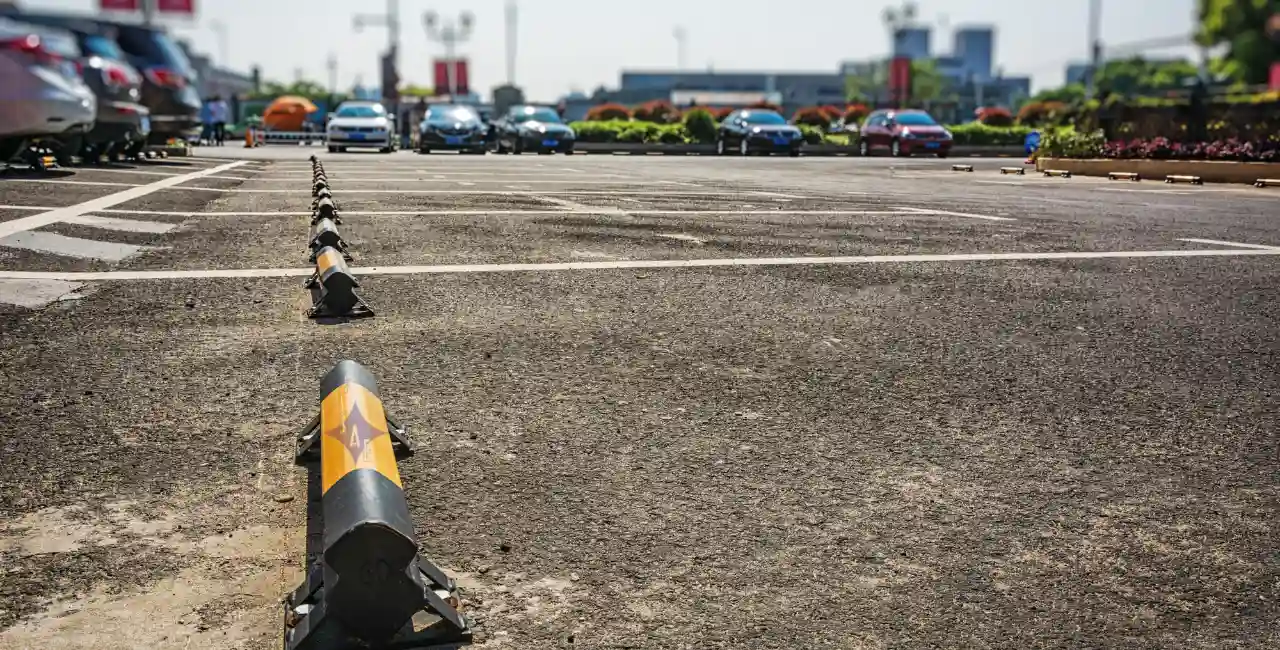
Parking lots are one of the most heavily used surfaces on commercial properties. Over time, constant vehicle traffic, weather conditions, and aging asphalt can cause cracks, potholes, and uneven surfaces. For property owners in South Florida, parking lot resurfacing is a cost-effective solution that restores pavement without requiring full reconstruction.
When asphalt begins to show visible signs of deterioration, resurfacing can extend its lifespan and improve both safety and appearance. Businesses, retail centers, and property managers often rely on commercial parking lot repair services to maintain functional and attractive parking areas. Understanding the costs and timeline of resurfacing projects can help property owners plan effectively and protect their pavement investment.
What is Parking Lot Resurfacing?
The parking lot resurfacing process involves placing a new layer of asphalt over an existing parking lot surface. Instead of completely removing the old asphalt, contractors repair damaged areas and apply a fresh overlay.
This method is widely used in parking lot maintenance programs because it restores pavement strength while reducing project costs compared to full replacement.
Common services included in resurfacing projects include:
- Pavement repair for cracks and potholes.
- Surface leveling and grading.
- Application of a new asphalt overlay.
- Line striping and markings.
- Sealcoating protection.
Cost and Timeline for Parking Lot Resurfacing
The cost of parking lot resurfacing depends on several factors including pavement condition, lot size, and required repairs.
On average:
- Resurfacing costs significantly less than full asphalt replacement.
- Most resurfacing projects take 1–3 days to complete depending on size.
- Asphalt typically requires 24–48 hours before vehicles can drive on it.
Property owners often choose asphalt resurfacing because it provides a balance between affordability and long-term pavement performance.
What are the Common Signs that Indicate Parking Lot Resurfacing is Needed?
Knowing when to schedule a parking lot repair can help prevent more expensive pavement damage. Some common warning signs include:
Cracks Across the Surface
Small cracks can expand quickly if left untreated. Early pavement repair services can prevent structural damage.
Potholes and Surface Damage
Potholes indicate that the top asphalt layer has deteriorated and requires resurfacing.
Fading Pavement Color
When asphalt turns gray instead of black, it often indicates oxidation and aging.
Drainage Problems
Standing water may signal uneven pavement surfaces that require resurfacing.
Increased Maintenance Costs
Frequent repairs may indicate that full parking lot restoration is needed.
Recognizing these signs early allows property owners to schedule resurfacing before the damage becomes severe.
Average Parking Lot Resurfacing Costs
Costs vary depending on pavement size, condition, and preparation work required before resurfacing.
| Project Type | Average Cost Range | Typical Use |
| Small parking lot resurfacing | Lower cost projects | Small businesses |
| Medium commercial lot resurfacing | Moderate cost projects | Retail centers |
| Large commercial resurfacing | Higher project cost | Shopping centers |
| Resurfacing with extensive repairs | Higher investment | Severely damaged lots |
The Parking Lot Resurfacing Process
Professional contractors follow a detailed process to ensure long-lasting results.
Inspection and Assessment
Contractors inspect the pavement to determine whether Parking Lot Resurfacing Miami is appropriate or if full replacement is required.
Surface Cleaning
Debris, dirt, and oil stains are removed before the resurfacing process begins.
Pavement Repairs
Cracks, potholes, and damaged areas are repaired using commercial parking lot repair techniques.
Asphalt Overlay Application
A new asphalt layer is installed over the existing pavement to create a smooth, durable surface.
Line Striping and Markings
After resurfacing, contractors repaint parking spaces, directional arrows, and safety markings.
This process ensures that parking lot restoration projects provide long-lasting results.
Sealcoating and Resurfacing for Maximum Protection
Many contractors recommend combining sealcoating and resurfacing services to extend pavement life.
Sealcoating creates a protective layer that shields asphalt from:
- UV damage
- Water penetration
- Oil and chemical spills
- Oxidation
Applying sealcoating after resurfacing helps preserve the newly installed asphalt surface and improves its long-term durability.
Also Read: 5 Parking Lot Repairs that Will Retain Customers
What is the Difference Between Asphalt Paving and Parking Lot Resurfacing?
Property owners often wonder whether they should choose resurfacing or full asphalt paving reconstruction.
Resurfacing is ideal when the pavement foundation remains stable but the surface layer has deteriorated.
Full reconstruction may be required when:
- The base layer is damaged.
- Severe structural cracks exist.
- Drainage issues cannot be corrected.
For many commercial properties, resurfacing provides an efficient solution that restores pavement performance without the cost of full replacement.
FAQs
How often should parking lots be resurfaced?
Most parking lots benefit from resurfacing every 10 to 15 years, depending on traffic and maintenance.
Is resurfacing better than full asphalt replacement?
If the pavement base remains stable, resurfacing is usually the most cost-effective solution.
Can resurfacing fix potholes?
Yes. Contractors repair potholes before applying the new asphalt overlay.
Does resurfacing include new striping?
Yes. Most parking lot restoration projects include repainting parking lines and markings.