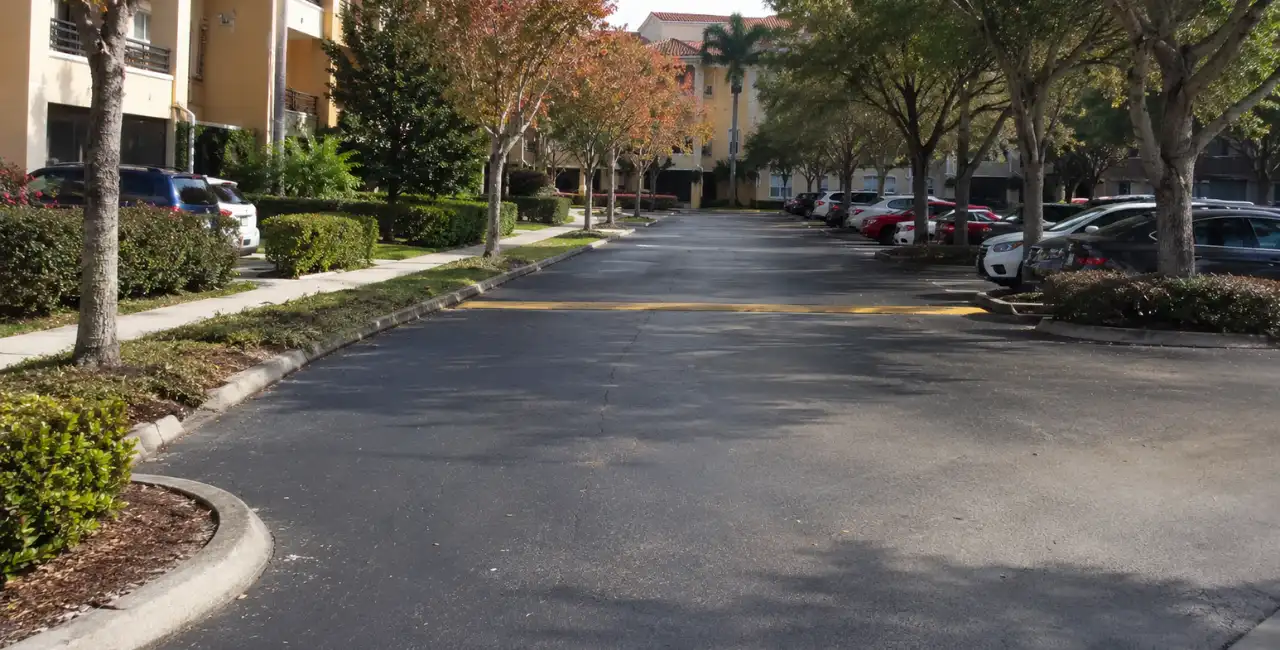
Homeowners associations (HOAs) in Miami are responsible for maintaining safe, attractive, and functional communities. One of the most overlooked assets within many residential communities is the pavement infrastructure. Parking lots, private roads, drive lanes, and community access points endure constant exposure to traffic, UV rays, rain, and South Florida’s demanding climate.
Preventative pavement maintenance helps HOAs extend pavement life, reduce long-term costs, improve curb appeal, and minimize liability risks. Rather than waiting for major pavement failures to occur, proactive maintenance allows associations to address small issues before they become expensive reconstruction projects. Companies like Southern Asphalt Engineering understand the importance of preserving asphalt assets through strategic maintenance programs tailored to South Florida communities.
Why Is Preventative Pavement Maintenance Important for Miami HOAs?
Preventative pavement maintenance is the process of regularly inspecting, repairing, and protecting asphalt surfaces before significant deterioration develops. For HOAs, this approach can significantly reduce capital expenditures while preserving property values.
Asphalt pavement is designed to be durable and long-lasting, with an expected lifespan of approximately 15 to 20 years. However, that lifespan can be extended through consistent maintenance programs that address cracks, surface wear, drainage concerns, and traffic-related damage before they worsen.
Miami’s climate creates unique challenges for asphalt surfaces. Intense sunlight accelerates oxidation, heavy rain can infiltrate cracks, and frequent vehicle traffic places continuous stress on parking lots and roadways. Without preventative maintenance, these conditions can rapidly shorten pavement life.
What Happens When HOAs Delay Pavement Maintenance?
Many HOA boards postpone pavement work until visible damage becomes impossible to ignore. Unfortunately, waiting often results in higher repair costs and more extensive disruptions for residents.
Common consequences of deferred maintenance include:
- Expansion of small cracks into larger structural failures
- Formation of potholes and surface depressions
- Water infiltration beneath asphalt layers
- Increased trip-and-fall hazards
- Vehicle damage claims from residents and visitors
- Reduced curb appeal throughout the community
- More costly resurfacing or reconstruction projects
Once water penetrates the asphalt surface, the pavement base can begin to weaken. As traffic continues to pass over compromised areas, deterioration accelerates and repair costs increase substantially.
How Preventative Maintenance Protects HOA Budgets
One of the primary responsibilities of any HOA board is financial stewardship. Preventative pavement maintenance supports this goal by helping associations avoid emergency repairs and unexpected capital expenditures.
The cost of routine maintenance is typically much lower than the cost of full pavement replacement. Small repairs performed at the right time can prevent widespread damage that requires milling, resurfacing, or complete reconstruction.
By establishing a pavement management plan, HOAs can:
- Forecast future maintenance expenses
- Reduce emergency repair costs
- Extend the service life of community roads
- Preserve reserve funds
- Improve long-term budgeting accuracy
This proactive approach allows associations to spread maintenance expenses over time rather than facing large, unexpected infrastructure projects. Industry leaders like Southern Asphalt Engineering often recommend scheduled maintenance cycles because they help communities maximize pavement performance while minimizing long-term expenses.
Key Preventative Pavement Services for HOA Communities
Not all pavement maintenance services serve the same purpose. The most effective HOA maintenance programs combine multiple strategies to protect asphalt throughout its lifecycle.
Sealcoating
Sealcoating creates a protective barrier against oxidation, moisture intrusion, and daily traffic wear. It also restores the dark, uniform appearance of asphalt, improving overall community aesthetics.
For HOA communities with parking lots and private roadways, sealcoating is often one of the most cost-effective preventative measures available.
Asphalt Patching
Small cracks and localized damage should be repaired before they spread. Asphalt patching helps restore surface integrity and prevents minor issues from developing into major pavement failures. Addressing damaged sections early can significantly reduce future repair costs.
Asphalt Overlay
When pavement remains structurally sound but shows surface wear, an asphalt overlay can provide a new driving surface while extending pavement life. This solution is often more economical than complete pavement replacement.
Milling and Resurfacing
For pavements showing more advanced deterioration, milling and resurfacing remove damaged asphalt and replace it with a fresh surface. This process restores functionality while maintaining the underlying pavement structure when appropriate.
Pavement Maintenance Benefits Beyond Cost Savings
While reducing repair expenses is a major advantage, preventative pavement maintenance offers several additional benefits for HOA communities.
Enhanced Community Appearance
Residents and prospective buyers notice the condition of roads and parking areas immediately upon entering a community. Smooth, well-maintained pavement creates a positive first impression and contributes to a professional appearance.
Improved Resident Safety
Cracks, potholes, uneven surfaces, and drainage issues increase the risk of accidents. Maintaining asphalt surfaces helps reduce hazards for pedestrians, cyclists, and drivers.
Better Property Values
Community appearance directly impacts property values. Well-maintained infrastructure demonstrates responsible management and can make neighborhoods more attractive to potential buyers.
Reduced Liability Exposure
Unsafe pavement conditions can lead to personal injury claims or vehicle damage complaints. Regular maintenance helps HOA boards demonstrate diligence in protecting residents and visitors.
Pavement Deterioration Timeline for HOA Communities
The following table illustrates how pavement conditions typically progress when preventative maintenance is delayed.
| Pavement Condition | Typical Signs | Recommended Action |
| Good | Smooth surface with minimal wear | Routine inspections and sealcoating |
| Fair | Minor cracks and surface oxidation | Crack repair and preventative maintenance |
| Poor | Widespread cracking and drainage issues | Patching, overlay, or resurfacing |
| Failed | Extensive potholes and structural damage | Major reconstruction or replacement |
The earlier maintenance occurs, the more options HOA boards typically have available to preserve pavement and control expenses.
How HOA Boards Can Develop a Long-Term Maintenance Plan
Successful pavement management starts with regular inspections and long-term planning. HOA boards should work with experienced pavement professionals to evaluate current conditions and identify maintenance priorities.
A comprehensive maintenance strategy typically includes:
- Scheduled pavement inspections
- Crack identification and repair
- Sealcoating programs
- Drainage evaluations
- Surface restoration planning
- Long-term budgeting recommendations
Rather than reacting to visible failures, HOA boards can make informed decisions that maximize pavement life and minimize financial surprises.
Why Professional Pavement Maintenance Matters
Preventative pavement maintenance is not simply about repairing asphalt. It is about protecting a community’s infrastructure investment, maintaining resident satisfaction, and ensuring long-term financial stability.
Professional pavement contractors understand how South Florida’s climate affects asphalt performance and can recommend the appropriate combination of sealcoating, patching, overlays, milling, resurfacing, and restoration services based on current pavement conditions. Experienced contractors such as Southern Asphalt Engineering provide specialized solutions designed to address the unique environmental challenges faced by Miami HOA communities.
For Miami HOAs, proactive maintenance is often the difference between manageable annual upkeep costs and expensive reconstruction projects that strain reserve budgets.
The Long-Term Benefits of Preventative Pavement Maintenance
Preventative pavement maintenance should be a priority for every HOA in Miami. Regular inspections, sealcoating, patching, overlays, and resurfacing services help extend pavement lifespan, improve safety, enhance curb appeal, and reduce long-term costs.
By addressing pavement issues before they become major problems, HOA boards can protect community assets, preserve property values, and provide residents with safer, more attractive neighborhoods. A proactive maintenance program is not just an operational decision – it is a smart financial investment in the future of the community.
FAQs
Why is preventative pavement maintenance important for HOAs in Miami?
It helps extend asphalt life, reduces long-term repair costs, improves safety, and protects property values in harsh Florida weather conditions.
How often should HOA communities perform asphalt maintenance?
Most HOA communities should inspect pavement annually and schedule sealcoating every 2–3 years depending on traffic and wear.
What is the most cost-effective pavement maintenance method?
Sealcoating and crack filling are the most affordable preventative methods that significantly extend pavement lifespan.
What happens if an HOA delays pavement repairs?
Delays can lead to potholes, water damage, structural failure, higher repair costs, and potential liability risks for accidents.
Can preventative maintenance reduce HOA reserve expenses?
Yes, regular maintenance helps avoid major reconstruction costs, making long-term budgeting more predictable and less expensive.