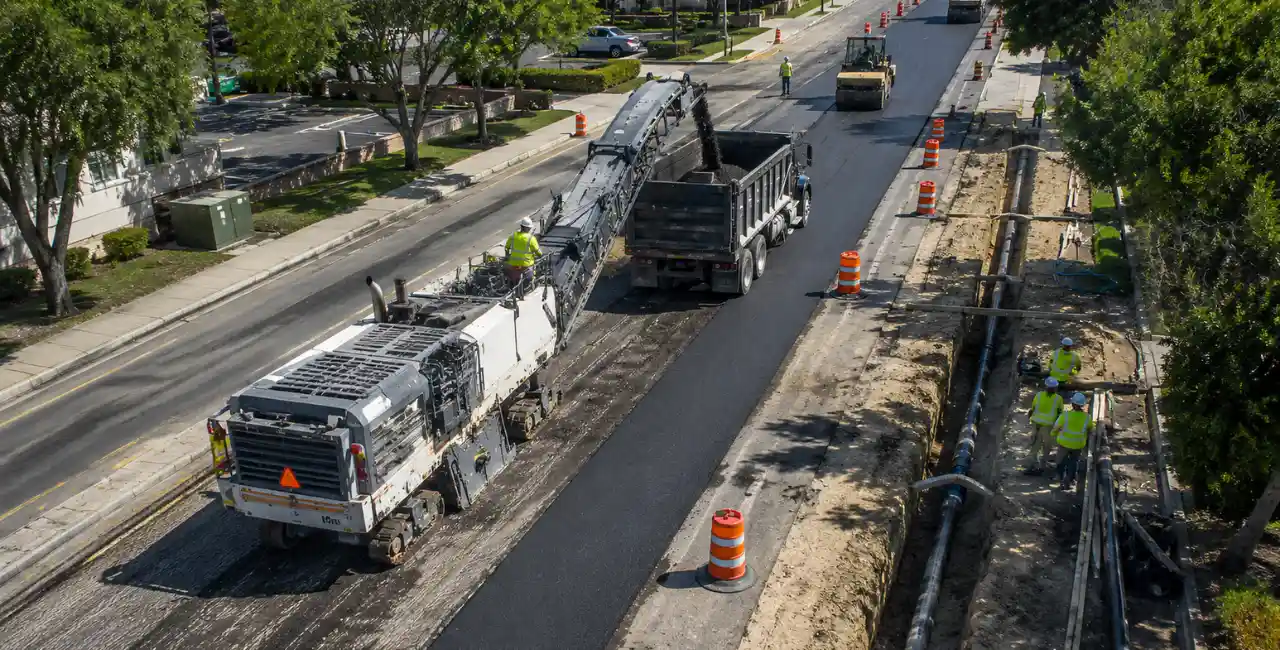
Utility infrastructure projects in Miami – such as water line replacements, sewer upgrades, drainage improvements, and electrical conduit installations – require extensive excavation beneath roadways and paved surfaces. Once underground work is completed, restoring the surface properly becomes just as important as the utility installation itself.
Asphalt milling and paving play a critical role in ensuring that roads, parking lots, and access corridors are restored to safe, durable, and long-lasting conditions. Without proper restoration, utility projects can leave behind uneven surfaces, premature pavement failure, and long-term maintenance issues for municipalities, contractors, and property owners.
For Miami’s high-traffic and weather-intensive environment, professional asphalt restoration services such as those provided by experienced contractors like Southern Asphalt Engineering are essential for maintaining infrastructure performance and safety.
Why Is Asphalt Restoration Important After Utility Work?
Utility infrastructure projects inevitably disrupt existing pavement. Excavation cuts through asphalt layers, removing structural integrity and creating temporary patch zones that must be rebuilt correctly.
If asphalt restoration is not properly executed, it can lead to:
- Premature cracking along trench lines
- Water infiltration into utility trenches
- Uneven road surfaces and settlement issues
- Reduced pavement lifespan
- Increased long-term repair costs
- Safety hazards for vehicles and pedestrians
Asphalt milling and paving ensure that disturbed pavement is restored to a uniform, stable, and structurally sound condition that integrates seamlessly with the surrounding roadway.
What Is Asphalt Milling and Why Is It Used in Utility Projects?
Asphalt milling is the controlled removal of the top layer of existing asphalt pavement using specialized milling machines. In utility projects, milling is typically used to:
- Remove damaged or uneven pavement around trench repairs
- Prepare surfaces for new asphalt overlays
- Ensure proper grade and slope alignment
- Eliminate surface irregularities caused by excavation
Instead of completely reconstructing a roadway, milling allows contractors to selectively remove only the affected asphalt layer, preserving the structural base while preparing the surface for new paving.
This approach is especially valuable in Miami, where minimizing road closure time and reducing traffic disruption is a priority.
What Is Asphalt Paving in Utility Restoration?
Asphalt paving is the process of placing and compacting new asphalt material over prepared surfaces. In utility infrastructure projects, paving is used to restore roadways after underground work is completed.
The paving process typically includes:
- Base preparation and compaction
- Installation of new asphalt layers
- Seam integration with existing pavement
- Surface smoothing and finishing
- Quality control and compaction testing
Proper paving ensures that the restored surface matches the strength, elevation, and durability of the original roadway.
Why Miami’s Infrastructure Requires Specialized Asphalt Solutions
Miami presents unique challenges for asphalt restoration due to its climate, soil conditions, and urban density. Utility projects in the region must account for:
- Heavy seasonal rainfall and drainage demands
- High humidity and heat affecting asphalt performance
- Frequent utility cuts in urban road networks
- High traffic volume in residential and commercial zones
- Soft or shifting subgrade conditions in certain areas
Because of these conditions, utility restoration work must be engineered carefully to prevent premature failure.
Poorly executed asphalt patches over utility trenches often result in “trench sinking” or cracking along repair lines, especially when water infiltration occurs beneath the surface.
The Role of Milling and Paving in Utility Infrastructure Success
Asphalt milling and paving are not just cosmetic restoration steps – they are structural components of infrastructure repair. When executed properly, they ensure that utility work does not compromise roadway performance.
Key roles include:
- Restoring structural integrity after excavation
- Ensuring smooth transitions between old and new pavement
- Preventing water intrusion into utility trenches
- Extending the lifespan of repaired roadways
- Maintaining ADA-compliant surfaces for pedestrian safety
By integrating milling and paving into utility project planning, contractors and municipalities can significantly improve long-term infrastructure performance.
Common Challenges in Utility Asphalt Restoration
Utility-related pavement restoration often faces several challenges that require professional expertise:
- Uneven settlement after trench backfill
- Poor compaction of base materials
- Mismatch between old and new asphalt layers
- Limited space for heavy paving equipment
- Tight project timelines and traffic control requirements
Experienced asphalt contractors address these issues through proper engineering, equipment selection, and installation techniques tailored to urban environments like Miami.
Asphalt Milling vs Full Road Reconstruction
Not all damaged pavement requires complete reconstruction. In many utility projects, milling offers a more efficient and cost-effective solution.
| Factor | Asphalt Milling & Paving | Full Road Reconstruction |
| Cost | Lower overall expense | Significantly higher |
| Project Duration | Faster completion | Longer timelines |
| Traffic Disruption | Minimal | Extensive closures |
| Material Usage | Reuses existing base | Requires full rebuild |
| Environmental Impact | More sustainable | Higher material waste |
| Suitability for Utility Cuts | Ideal for trench restoration | Used for severe structural failure |
This comparison shows why milling and paving are often preferred for utility infrastructure restoration in urban environments like Miami.
Benefits of Professional Asphalt Milling and Paving for Utilities
When performed by qualified contractors, asphalt milling and paving deliver multiple long-term benefits for utility projects:
Improved Structural Stability
Proper milling and repaving ensure that repaired trenches remain stable under repeated traffic loads.
Enhanced Surface Smoothness
Restored pavement provides a seamless driving surface, reducing vehicle wear and improving safety.
Extended Pavement Life
Quality restoration prevents early deterioration around utility cut zones.
Reduced Maintenance Costs
Well-executed paving reduces the need for frequent patch repairs or rework.
Faster Project Completion
Efficient milling and paving reduce downtime for roads and utility corridors.
The Importance of Proper Compaction and Layering
One of the most critical aspects of asphalt restoration is compaction. Without proper compaction, even high-quality asphalt can fail prematurely.
In utility trench restoration, compaction ensures:
- Elimination of air voids
- Stability under heavy traffic loads
- Prevention of future sinking or rutting
- Long-term durability of repaired areas
Layering is also essential. Asphalt must be applied in properly engineered thicknesses to match traffic demands and existing roadway structure.
How Southern Asphalt Engineering Supports Utility Infrastructure Projects
In Miami, contractors specializing in asphalt milling and paving play a key role in supporting utility infrastructure work. Companies like Southern Asphalt Engineering provide services that include:
- Asphalt milling for trench and roadway preparation
- Precision paving for utility restoration zones
- Surface grading and leveling
- Asphalt overlay installation
- Roadway rehabilitation after utility cuts
Their expertise ensures that utility projects are completed with minimal disruption and long-lasting pavement performance.
Why Asphalt Restoration Matters for Miami’s Utility Infrastructure
Asphalt milling and paving are essential components of successful utility infrastructure projects in Miami. They ensure that roads disrupted by underground work are restored to safe, durable, and functional conditions.
Without proper restoration, utility cuts can lead to long-term pavement failures, safety risks, and increased maintenance costs. With professional milling and paving techniques, however, these challenges can be effectively prevented.
For municipalities, contractors, and infrastructure planners, investing in high-quality asphalt restoration is not just a finishing step – it is a critical part of building resilient and long-lasting urban infrastructure.
FAQs
What is asphalt milling in utility projects?
Asphalt milling removes the top damaged layer of pavement to prepare the surface for resurfacing after utility work like pipe or cable installation.
Why is paving important after utility excavation?
Paving restores road strength, smoothness, and safety after underground utility work disrupts the existing asphalt structure.
When is milling preferred over full reconstruction?
Milling is preferred when the base is still strong but the surface is damaged, making it more cost-effective and faster than full reconstruction.
How long does asphalt restoration take after utility work?
Timelines vary, but milling and paving are typically completed quickly to minimize traffic disruption in Miami infrastructure projects.
What problems occur if utility trenches are not properly paved?
Poor paving can cause sinking, cracking, water infiltration, and premature road failure along utility cut lines.