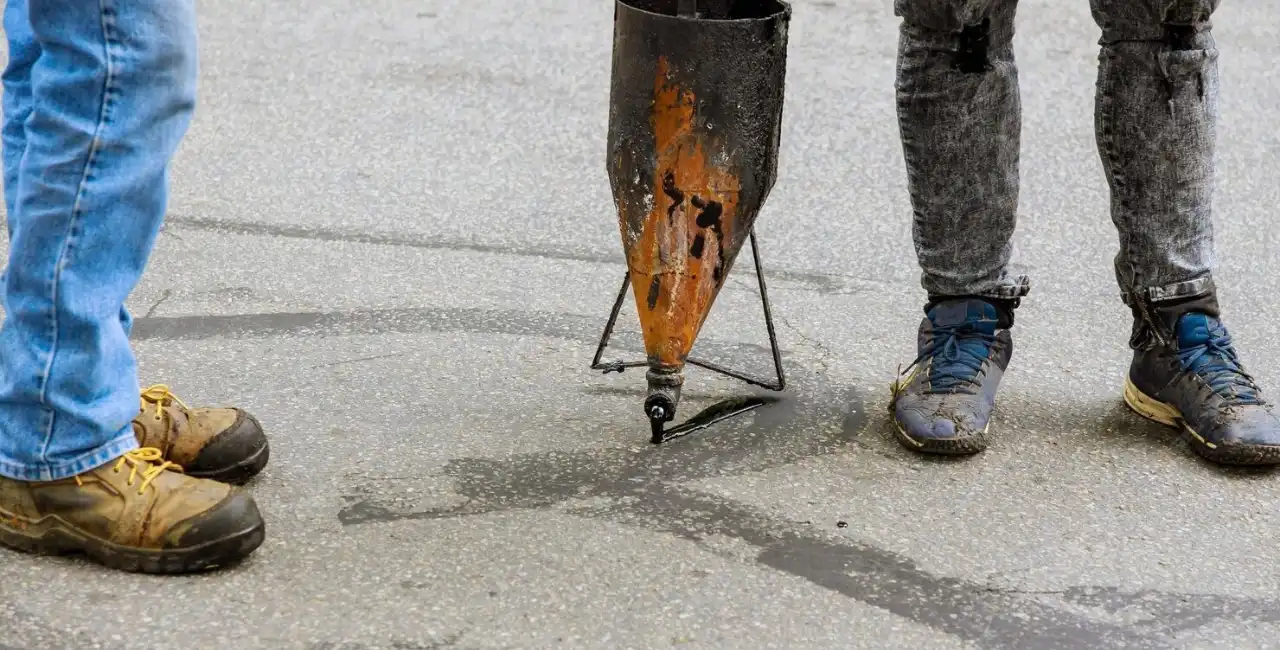
Parking facilities in Miami endure constant stress from heavy traffic, intense sunlight, and frequent rainfall. Over time, these conditions cause asphalt surfaces to crack and develop potholes, creating safety hazards and increasing maintenance costs. For property owners and facility managers, timely asphalt crack sealing and pothole repair is essential to maintaining durable and safe parking lots.
Cracks and potholes may appear minor at first, but they can quickly worsen if left untreated. Water infiltration, combined with vehicle pressure, accelerates pavement deterioration and weakens the underlying structure. Implementing a proactive parking lot maintenance strategy helps prevent major damage and extends pavement lifespan.
What Is Asphalt Crack Sealing and Pothole Repair?
Asphalt crack sealing involves filling cracks with specialized sealants to prevent water from entering the pavement structure. This process helps maintain flexibility and prevents cracks from expanding.
Pothole repair focuses on removing damaged asphalt and filling the affected area with new material to restore a smooth and stable surface.
Together, these services are essential components of pavement repair programs and are widely used in commercial parking facilities.
Why Are Crack Sealing and Pothole Repair Important?
Crack sealing and pothole repair prevent water damage, extend pavement life, and reduce costly repairs.
Key benefits include:
- Preventing water infiltration
- Reducing structural damage
- Improving parking lot safety
- Lowering long-term maintenance costs
- Extending pavement lifespan
For Miami parking facilities, these services are critical due to the region’s harsh environmental conditions.
What Causes Cracks and Potholes in Asphalt?
Understanding the root causes of pavement damage helps property owners take preventive action.
Water Infiltration
Water is the leading cause of asphalt damage. When water enters cracks, it weakens the base layer and leads to pothole formation.
UV Exposure
Miami’s intense sunlight causes asphalt to dry out and become brittle, increasing the likelihood of cracks.
Traffic Load
Heavy vehicles and constant traffic create pressure that expands cracks and damages pavement.
Poor Drainage
Standing water accelerates pavement deterioration and contributes to structural failure.
Aging Pavement
Over time, asphalt naturally deteriorates, making maintenance essential to preserve its condition.
Asphalt Crack Types and Their Impact
Different types of cracks require specific repair methods.
Hairline Cracks
Small surface cracks that can quickly expand if not sealed.
Alligator Cracks
Interconnected cracks resembling reptile skin, often indicating structural damage.
Edge Cracks
Cracks along the edges of pavement caused by poor support or drainage.
Longitudinal and Transverse Cracks
Cracks running parallel or perpendicular to the pavement, often caused by temperature changes.
Addressing these cracks early through asphalt crack sealing helps prevent more severe damage.
Asphalt Crack Sealing vs. Pothole Repair
Both services play important roles in pavement maintenance but address different issues.
| Repair Type | Purpose | When to Use |
| Crack sealing | Prevent water infiltration | Early-stage cracks |
| Crack filling | Temporary crack repair | Minor surface cracks |
| Pothole repair | Restore damaged areas | Existing potholes |
| Asphalt patching | Fix larger damaged sections | Severe pavement damage |
This comparison highlights why combining crack sealing and pothole repair is essential for effective parking lot maintenance.
Asphalt Maintenance Statistics for Parking Facilities
Preventive maintenance significantly improves pavement performance and reduces costs.
| Maintenance Metric | Industry Data |
| Pavement damage caused by water infiltration | ~70% |
| Lifespan increase with crack sealing | 30–50% |
| Cost savings with preventive maintenance | Up to 65% |
| Reduction in potholes with regular maintenance | 60% |
| ROI on maintenance programs | $1 saves $6 in repairs |
Sources: Federal Highway Administration (FHWA), National Asphalt Pavement Association (NAPA), Asphalt Institute,Pavement Preservation & Recycling Alliance (PPRA)
These statistics show why proactive maintenance is critical for commercial parking facilities.
The Asphalt Crack Sealing Process
Professional crack sealing involves several steps to ensure durability.
Inspection
Contractors assess the pavement to identify cracks and determine the best repair method.
Cleaning
Cracks are cleaned to remove debris, dirt, and vegetation.
Sealant Application
A specialized sealant is applied to fill cracks and prevent water infiltration.
Finishing
The sealed surface is smoothed to ensure proper bonding and durability.
This process helps protect pavement from further damage and extends its lifespan.
The Pothole Repair Process
Pothole repair requires careful preparation and material application.
Step 1: Removal of Damaged Asphalt
The damaged area is cut and removed to create a stable base.
Step 2: Cleaning and Preparation
Debris and loose materials are removed to ensure proper bonding.
Step 3: Asphalt Filling
New asphalt is placed into the pothole and compacted.
Step 4: Surface Finishing
The repaired area is leveled to match the surrounding pavement.
Proper repair ensures a smooth and safe surface for vehicles.
Benefits of Asphalt Crack Sealing and Pothole Repair
Regular maintenance offers several advantages for parking facilities.
Extended Pavement Life
Preventive maintenance helps asphalt last longer despite heavy use.
Improved Safety
Smooth surfaces reduce the risk of accidents and vehicle damage.
Cost Savings
Addressing issues early prevents expensive repairs and replacement.
Better Appearance
Well-maintained parking lots create a positive impression for customers.
Increased Property Value
Maintaining pavement contributes to overall property value.
When to Schedule Asphalt Repairs
Property owners should schedule repairs when they notice:
- Visible cracks spreading across the pavement
- Potholes forming in high-traffic areas
- Water pooling on the surface
- Loose or deteriorating asphalt
- Increased maintenance costs
Early intervention helps prevent more serious structural damage.
Choosing the Right Asphalt Repair Contractor
Selecting an experienced contractor is essential for effective repairs.
Look for professionals who provide:
- Expertise in pavement repair Miami
- High-quality materials and equipment
- Comprehensive maintenance services
- Proven track record with commercial projects
A reliable contractor ensures long-lasting results and proper repair techniques.
Protect Your Parking Facility with Proper Asphalt Repairs
Cracks and potholes are inevitable in asphalt pavement, especially in Miami’s challenging climate. However, proactive maintenance can significantly reduce their impact and extend pavement life.
By investing in regular asphalt crack sealing and pothole repair, property owners can protect their parking facilities, improve safety, and reduce long-term costs. These services are essential for maintaining durable, functional, and visually appealing parking lots.
For Miami businesses, taking a proactive approach to parking lot maintenance ensures long-lasting pavement performance and a better experience for customers and visitors – especially when partnering with trusted experts like Southern Asphalt Engineering for reliable, high-quality results.
FAQs
What is asphalt crack sealing and why is it important?
Asphalt crack sealing fills pavement cracks to prevent water infiltration, which helps extend pavement life and reduce costly repairs.
How do potholes form in parking lots?
Potholes form when water enters cracks, weakens the base layer, and traffic pressure breaks down the asphalt surface.
How often should asphalt cracks be sealed?
Crack sealing should be done every 2–3 years or as soon as cracks appear to prevent further damage.
Can pothole repair be done year-round in Miami?
Yes, Miami’s climate allows for pothole repair throughout the year, though dry conditions are ideal for best results.
Is crack sealing better than asphalt replacement?
Crack sealing is a preventive maintenance solution, while replacement is needed for severe structural damage.