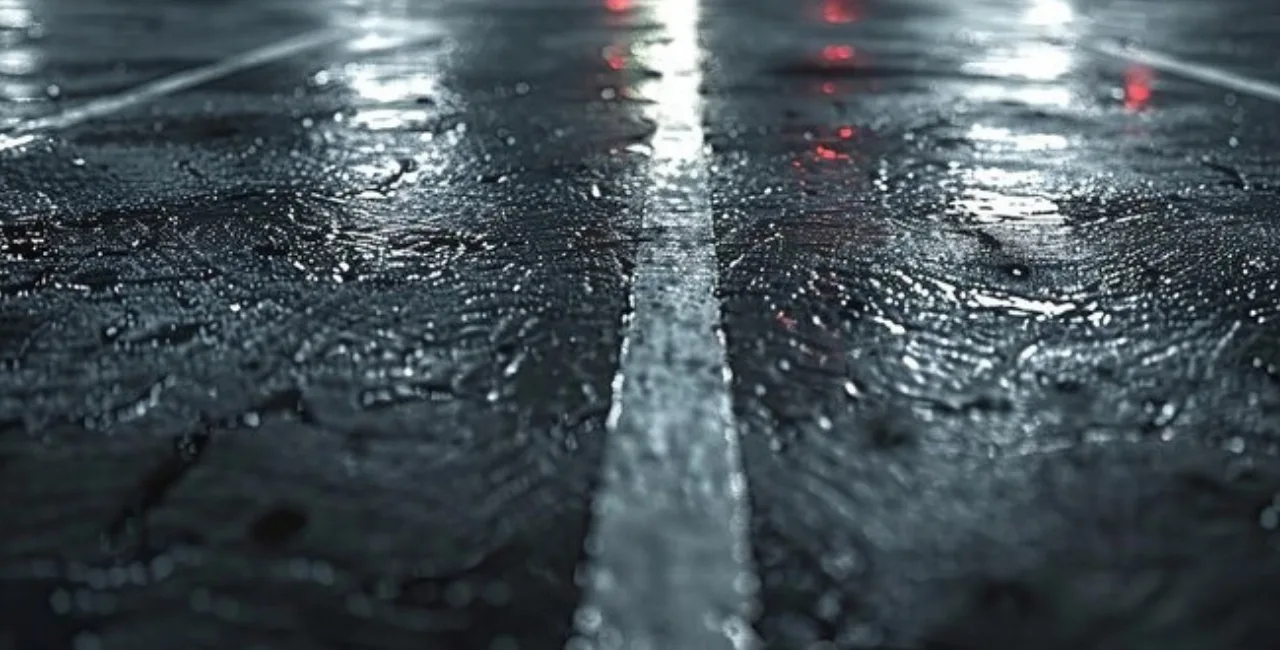
Asphalt pavement in Miami faces some of the harshest environmental conditions in the United States. Constant exposure to intense sunlight, heavy rainfall, and high humidity can significantly affect pavement durability and lifespan. For commercial property owners and facility managers, understanding how these elements impact asphalt is essential for proper maintenance and long-term cost savings.
Without regular upkeep, asphalt surfaces can deteriorate quickly, leading to cracks, potholes, and costly repairs. Implementing effective asphalt maintenance strategies helps protect pavement from damage caused by Miami’s climate.
What Causes Asphalt Damage in Miami?
Asphalt is a flexible pavement material designed to withstand traffic and environmental stress. However, Miami’s unique climate accelerates wear and tear due to two major factors:
- Extreme UV exposure from the sun
- Frequent and heavy rainfall
These elements work together to weaken asphalt over time, making regular pavement maintenance essential for preserving its structural integrity.
How Do Sun and Rain Affect Asphalt Pavement?
The Miami sun causes asphalt to dry out and become brittle, while rain allows water to penetrate cracks and weaken the pavement base.
Together, these factors:
- Accelerate pavement deterioration
- Increase cracking and pothole formation
- Reduce overall pavement lifespan
- Raise long-term maintenance costs
Proper maintenance strategies such as sealcoating and resurfacing help protect asphalt from these environmental effects.
How Miami Sun Damages Asphalt Pavement
UV Oxidation
The sun’s ultraviolet rays break down the asphalt binder that holds the pavement together. This process, known as oxidation, causes asphalt to lose flexibility and become brittle.
Surface Fading
Over time, asphalt changes from a rich black color to a dull gray. This is a clear sign that the surface is weakening and losing its protective oils.
Increased Cracking
As asphalt dries out, it becomes more prone to cracks. These cracks allow water to enter the pavement structure, leading to further damage.
Heat Expansion
High temperatures cause asphalt to expand. Repeated expansion and contraction cycles can create stress fractures in the pavement.
Because of these factors, regular asphalt sealcoating is essential to protect pavement from UV damage.
How Rain Impacts Asphalt Pavement
Water Infiltration
Rainwater can seep into small cracks in the asphalt surface. Once inside, it weakens the base layer and reduces structural stability.
Pothole Formation
When water penetrates the pavement and combines with traffic pressure, it can lead to potholes.
Base Layer Erosion
Excess moisture can erode the underlying base, causing the pavement to sink or become uneven.
Drainage Issues
Poor drainage systems can lead to standing water, which accelerates pavement deterioration.
Proper parking lot drainage and routine pavement repair are critical in preventing water-related damage.
Asphalt Lifespan Under Different Conditions
Environmental exposure plays a major role in determining how long asphalt pavement lasts.
| Condition | Average Lifespan | Maintenance Needs |
| Mild climate with low exposure | 20–25 years | Minimal maintenance |
| Moderate sun and rain exposure | 15–20 years | Regular maintenance |
| High UV exposure (like Miami) | 10–15 years | Frequent maintenance |
| High UV + heavy rainfall | 7–12 years | Intensive maintenance |
This table shows how Miami’s climate can significantly reduce asphalt lifespan without proper care.
Asphalt Damage Statistics in High-Exposure Climates
Environmental factors are responsible for a large percentage of pavement damage.
| Damage Factor | Industry Data |
| Pavement damage caused by water infiltration | ~70% |
| Reduction in asphalt lifespan due to UV exposure | Up to 50% |
| Increase in cracking without maintenance | 60% |
| Cost increase from delayed repairs | 30–50% |
| Lifespan improvement with preventive maintenance | 30–40% |
Sources: Federal Highway Administration (FHWA), National Asphalt Pavement Association (NAPA), Asphalt Institute, Pavement Preservation & Recycling Alliance (PPRA)
These statistics highlight the importance of proactive maintenance in Miami’s climate.
The Combined Effect of Sun and Rain
While sun and rain individually damage asphalt, their combined effect is even more destructive.
Step-by-Step Damage Cycle
- Sun exposure dries and weakens asphalt
- Cracks begin to form on the surface
- Rainwater enters the cracks
- Water weakens the base layer
- Traffic pressure causes potholes and structural damage
This cycle repeats continuously, accelerating pavement deterioration.
Preventive Maintenance Strategies
To combat the effects of Miami’s climate, property owners should implement a proactive maintenance plan.
Sealcoating
Sealcoating creates a protective layer that shields asphalt from UV rays and water penetration.
Crack Filling
Sealing cracks early prevents water from entering the pavement structure.
Proper Drainage
Installing drainage systems helps prevent water accumulation and base damage.
Asphalt Resurfacing
Resurfacing restores the top layer of asphalt and improves durability.
Routine Inspections
Regular inspections allow property owners to identify and fix issues before they worsen.
These strategies are essential for maintaining asphalt in high-exposure environments.
Benefits of Proper Asphalt Maintenance
Investing in maintenance provides several long-term benefits:
Extended Pavement Lifespan
Preventive care helps asphalt last significantly longer despite harsh weather conditions.
Reduced Repair Costs
Addressing small issues early prevents costly repairs later.
Improved Safety
Well-maintained pavement reduces the risk of accidents caused by cracks and potholes.
Better Appearance
Fresh asphalt enhances the visual appeal of commercial properties.
Increased Property Value
A well-maintained parking lot contributes to overall property value.
Signs Your Asphalt Is Weather-Damaged
Property owners should watch for these signs of sun and rain damage:
- Faded or gray pavement surface
- Cracks forming across the asphalt
- Potholes developing in high-traffic areas
- Water pooling after rainfall
- Uneven or sinking pavement
Addressing these issues early helps prevent more severe damage.
When to Repair or Resurface Asphalt
Knowing when to take action is critical for maintaining pavement.
Minor Damage
Crack filling and sealcoating can address small issues.
Moderate Damage
Resurfacing is recommended when the surface layer is worn but the base is stable.
Severe Damage
Full replacement may be necessary if the base layer is compromised.
Working with experienced contractors ensures the right solution is chosen.
Protect Your Asphalt from Miami’s Harsh Climate
Miami’s combination of intense sun and heavy rainfall creates a challenging environment for asphalt pavement. Without proper maintenance, these conditions can significantly shorten pavement lifespan and increase repair costs.
By understanding the impact of environmental factors and implementing proactive maintenance strategies, property owners can protect their investment and ensure long-lasting pavement performance.
Regular maintenance – including sealcoating, crack repair, and proper drainage – helps prevent damage and keeps asphalt surfaces safe, functional, and visually appealing.
For businesses and property managers, taking a proactive approach to asphalt care is the key to minimizing costs and maximizing pavement lifespan in Miami’s demanding climate.
FAQs
Why does asphalt crack faster in Miami?
High temperatures and UV exposure cause asphalt to dry out and become brittle, leading to cracks.
How does rain damage asphalt pavement?
Rainwater seeps into cracks, weakens the base layer, and contributes to pothole formation.
How often should asphalt be maintained in Miami?
Maintenance such as sealcoating should be performed every 2–3 years to protect against weather damage.
Can proper drainage prevent asphalt damage?
Yes. Effective drainage systems help prevent water accumulation and reduce pavement deterioration.