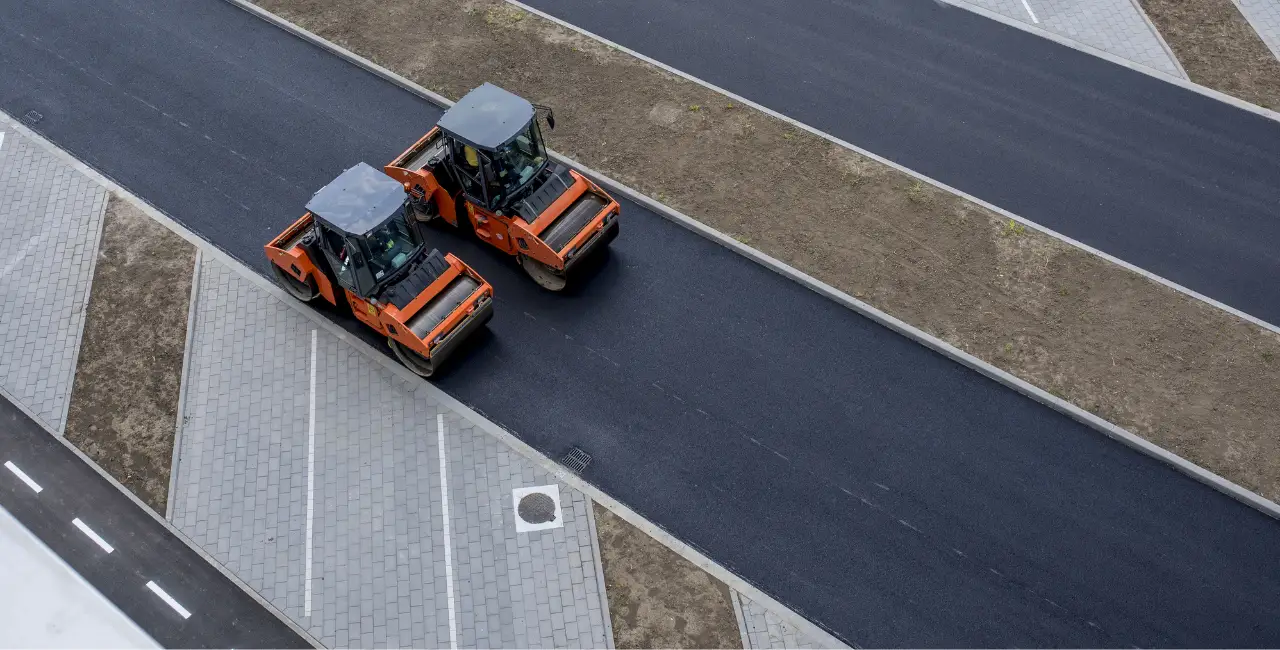
Road surfaces are constantly exposed to traffic loads, environmental stress, and natural aging. Over time, this leads to cracks, potholes, uneven surfaces, and drainage issues. While complete road reconstruction may seem like the only solution, it is often unnecessary and costly. Asphalt milling has emerged as a highly effective alternative that restores damaged surfaces without full replacement. By removing only the deteriorated top layer, this process preserves the underlying structure while preparing the surface for a durable new overlay.
This article explores the key benefits of asphalt milling and why it has become a preferred method for repairing damaged road surfaces.
What Is Asphalt Milling?
Asphalt milling is the process of removing a controlled depth of the existing asphalt surface using specialized machinery. The removed material, known as reclaimed asphalt pavement (RAP), can be reused in future paving projects.
Unlike full reconstruction, milling focuses only on the damaged surface layer. This allows contractors to repair roads, parking lots, and driveways while keeping the stable base intact. The result is a smooth, level surface ready for resurfacing.
Key Benefits of Asphalt Milling
Cost-Effective Road Rehabilitation
Asphalt milling provides a number of significant advantages, with cost savings being among the most important, as Southern Asphalt Engineering highlights in its projects. Full road replacement requires extensive excavation, materials, and labor, whereas milling removes only the damaged surface, saving both time and expense.
With the base layer preserved, overall project costs are reduced without compromising performance. This makes milling an ideal solution for municipalities and property owners working within limited budgets, where efficient paving options are essential.
Extends Pavement Lifespan
Milling is a key process to extend the life of asphalt surfaces. When you eliminate cracks and other surface restrictions prior to using a fresh cover, it prevents those issues from appearing in the overlay.
Well-prepared and milled asphalt can often outlast surfaces receiving no preparations before over-laying by several years.
Enhances Surface Quality and Safety
Bad roads contribute to uncomfortable and hazardous driving conditions. Milling removes surface imperfections like bumps, ruts and potholes to give a safer, smoother driving surface.
An even surface increases vehicle handling, minimizes wear on vehicles and enhances overall road safety for both the driver and pedestrian.
Improves Drainage and Prevents Water Damage
One of the common problems for pavement deterioration is poor drainage. The ground is not uniform and any depressions will result in water pooling which speeds up the deterioration. Asphalt milling is the process of leveling out surface imperfections and reintroducing correct slope and drainage patterns.
When millings are compacted, they help to keep future damage from dampness by allowing water to run off more effectively.
Maintains Proper Road Elevation
It is important to note that if a road surface is overlayed repeatedly with pavement and never milled, the road will get higher. This may affect curbs, drainage systems and adjacent structures.
Milling eliminates thicker sections of road that have failed, bringing it back to the original road height and ensuring clearance with curbs, gutters and utility structures.
Environmentally Friendly Solution
This is a considerable advantage of using asphalt milling as this technique entails sustainability. The asphalt that is taken up is not simply thrown away, it is recycled and reused for new paving projects.
This minimises waste, conserves natural resources and reduces the environmental impact of road construction activity.
Faster Project Completion
Compared to full reconstruction, asphalt milling is faster and less invasive. Moreover, in this scenario construction time is significantly less because the base layer does not have to be removed.
Statistical Overview of Asphalt Milling Benefits
Performance and Efficiency Benefits
| Benefit Category | Impact of Asphalt Milling | Result |
| Cost Reduction | Less material and labor required | Lower project costs |
| Time Efficiency | Faster than full reconstruction | Reduced downtime |
| Surface Quality | Removes defects and irregularities | Smoother roads |
| Drainage Improvement | Restores proper slope | Prevents water damage |
| Structural Integrity | Preserves base layer | Stronger foundation |
When Should You Choose Asphalt Milling in Miami?
Asphalt milling is the ideal service if the surface layer is compromised, but the base remains structurally intact. Common scenarios include:
- Surface cracking and raveling
- Shallow potholes
- Uneven pavement or poor drainage
- Preparing for resurfacing projects
For such cases, milling is a very practical and fast method without the need for your complete reconstruction.
Asphalt Milling vs. Full Reconstruction
Complete reconstruction may be needed for severely broken roads, but where surface distress is moderate, asphalt milling is typically the more economical option for a fraction of cost and time, milling offers similar functional improvements.
It also reduces environmental impacts and enables targeted repairs, making it a popular choice in contemporary pavement management practices.
Restoring Roads the Sustainable Way with Asphalt Milling
Today the asphalt milling has changed the manner in which road grading is done on destroyed roadway surfaces. This technique serves as a low-cost, eco-friendly, and effective pavement restoration alternative simply by removing only the decayed layer.
The advantages of asphalt milling are many, from enhanced safety and improved drainage to extending the pavement life cycle with less environmental impact, such as Southern Asphalt Engineering demonstrates in its work. It provides municipalities, contractors, and landowners with a cost-effective way to maintain high-quality road surfaces without the expense associated with full reconstruction.
Asphalt milling is a smart, strategic, and future-proof way to manage damaged roads that remains unmatched in today’s infrastructure environment.
FAQs
What is asphalt milling and how does it work?
Milling asphalt is a type of pavement rehabilitation that consists in removing the asphalt surface, or top layer, of an existing and damaged asphalt using specialized machinery. Which allows contractors to fix surface problems but leaves the underlying base intact in preparation for a new asphalt overlay.
Is asphalt milling cheaper than full road replacement?
Yes, asphalt milling is cheaper compared to a complete reconstruction. It is low-cost for road repairs in that it consumes less material, labor and time since only the damaged surface is removed.
How long does asphalt milling last?
Asphalt milling can prolong pavement life from 10–15 years or longer when followed by resurfacing, depending on traffic levels, weather conditions and maintenance management practices.
Is asphalt milling environmentally friendly?
Asphalt milling is an environmentally-sensitive process, as the recyclable pavement material (reclaimed asphalt pavement — or RAP) created during milling can be reused in subsequent paving projects, instead of being thrown away.
When should you choose asphalt milling instead of resurfacing?
Asphalt milling is the right choice when surface course is damaged, but support still remains structurally sound. Preferably, before resurfacing to achieve a smooth, resilient and permanent finish.