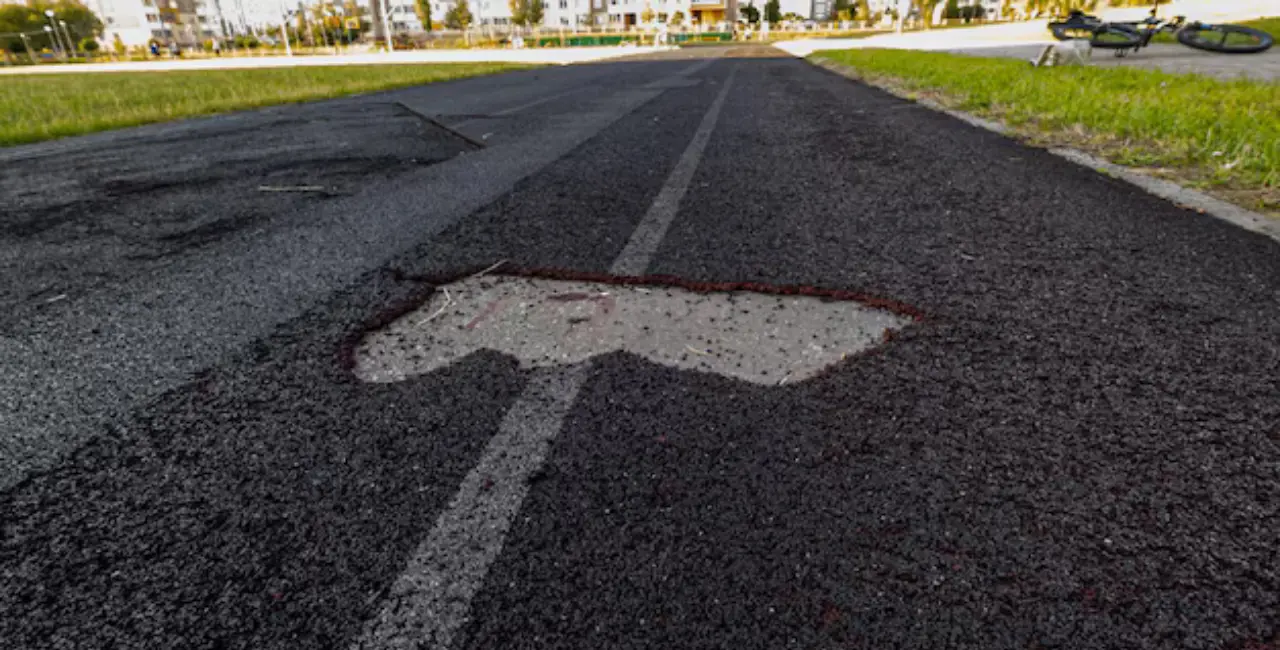
Asphalt paving is widely used for commercial parking lots, roadways, industrial yards, and access roads because it is durable, cost-effective, and relatively easy to maintain. However, even well-installed asphalt surfaces deteriorate over time due to traffic loads, weather exposure, drainage issues, and natural aging.
When these problems begin, property owners often notice declining surface quality, safety hazards, and rising maintenance costs. Understanding the most common asphalt paving issues – and how professionals fix them – helps prevent minor damage from turning into major reconstruction projects.
Contractors like Southern Asphalt Engineering specialize in identifying pavement failures early and applying targeted repair solutions such as milling, resurfacing, patching, and full-depth reconstruction depending on site conditions and structural needs.
What Causes Asphalt Paving Problems?
Asphalt does not fail randomly. Most issues develop due to predictable factors that weaken the pavement structure over time. These include water infiltration, poor base preparation, heavy traffic loads, and temperature fluctuations.
Below are the most common causes of asphalt deterioration:
- Water penetration through cracks
- Freeze-thaw cycles causing expansion and contraction
- Heavy vehicle loads exceeding design capacity
- Oxidation from UV exposure
- Poor drainage and standing water
- Improper installation or weak base layers
Once these factors begin affecting pavement integrity, visible surface problems start to appear and worsen over time.
Common Asphalt Paving Problems
Asphalt damage can appear in many forms, but most commercial pavement issues fall into a few key categories. Early detection is critical to avoid structural failure.
| Asphalt Problem | Primary Cause | Professional Fix |
| Cracking | Aging, water intrusion, base movement | Crack sealing, patching, overlay |
| Potholes | Water infiltration + traffic stress | Hot mix patching or full repair |
| Raveling | Surface wear and binder breakdown | Sealcoating or resurfacing |
| Rutting | Heavy loads and weak base | Milling and overlay |
| Depressions | Sub-base settlement | Excavation and reconstruction |
Each of these issues requires a different repair approach depending on severity and underlying structural conditions.
Cracking in Asphalt Surfaces
Cracking is one of the earliest and most common signs of asphalt deterioration. It typically starts small but expands quickly when water enters the pavement structure.
Cracks are often caused by:
- Temperature changes causing expansion and contraction
- Traffic pressure weakening the surface
- Aging asphalt losing flexibility
- Water weakening the base layer
If left untreated, cracks allow moisture to penetrate deeper into the pavement, eventually leading to potholes and base failure.
Professionals typically repair cracking using crack sealing for minor damage or full patching and resurfacing when cracks become widespread. Early intervention is critical to preventing structural breakdown.
Pothole Formation and Repair
Potholes are one of the most visible and hazardous asphalt failures. They form when water enters cracks, weakens the base layer, and causes the surface to collapse under traffic.
The process usually follows this pattern:
- Small cracks allow water entry
- Base layer softens and erodes
- Traffic pressure breaks the surface
- Hole expands with repeated vehicle impact
Once potholes form, quick repair is necessary to maintain safety and prevent further pavement damage.
Asphalt Pothole Progression Statistics
| Stage of Damage | Condition Description | Repair Urgency |
| Early cracking | Small surface openings | Low |
| Water infiltration | Moisture enters base | Medium |
| Surface collapse | Visible hole forming | High |
| Expanding pothole | Structural failure spreading | Critical |
Professional repair typically involves cleaning the damaged area, applying a tack coat, filling with hot mix asphalt, and compacting the surface for durability.
Raveling and Surface Wear
Raveling occurs when the top layer of asphalt begins to break apart and loose aggregate becomes visible. This creates a rough surface texture and reduces pavement strength.
Common causes include:
- Aging and oxidation of asphalt binder
- Poor compaction during installation
- Heavy traffic abrasion
- Weather exposure and UV damage
Raveling is often an early warning sign that the pavement surface is losing integrity. If addressed early, sealcoating or surface treatments may restore performance. If left untreated, it can lead to deeper structural damage requiring milling or full resurfacing.
Rutting and Surface Deformation
Rutting refers to permanent wheel path depressions in asphalt surfaces. These grooves typically form in high-traffic areas such as parking lanes, loading zones, and roadways.
Rutting is caused by:
- Excessive heavy vehicle loads
- Weak or poorly compacted base layers
- Asphalt mix deformation under heat
- Long-term traffic pressure
Repair methods include milling the affected surface layer and applying a new overlay to restore evenness and drainage performance.
Asphalt Failure Risk Levels
| Damage Type | Risk Level | Structural Impact | Recommended Action |
| Surface cracking | Medium | Surface only | Seal or patch |
| Raveling | Medium | Surface degradation | Resurfacing |
| Rutting | High | Structural deformation | Milling + overlay |
| Potholes | Critical | Base failure | Full patch or reconstruction |
This breakdown helps property managers prioritize repairs based on severity and safety risks.
Why Drainage Problems Make Everything Worse
One of the most overlooked causes of asphalt failure is poor drainage. When water sits on or beneath the surface, it accelerates nearly every type of pavement damage.
Standing water leads to:
- Faster crack expansion
- Base layer weakening
- Increased pothole formation
- Structural erosion over time
Proper grading, drainage correction, and routine maintenance are essential to extending pavement lifespan.
How Experts Fix Asphalt Paving Problems
Professional asphalt contractors use a structured approach to diagnose and repair pavement issues. Instead of applying temporary fixes, they identify root causes before selecting a repair method.
Common solutions include:
- Crack sealing to prevent water intrusion
- Patching for localized damage
- Milling to remove failed surface layers
- Overlay applications for resurfacing
- Full-depth reconstruction for severe failure
Companies provide full-service pavement solutions including asphalt paving, milling, resurfacing, parking lot repair, and infrastructure maintenance designed for commercial and municipal properties.
Choosing the Right Repair Strategy
Not all asphalt damage requires full replacement. In many cases, early-stage issues can be repaired efficiently with targeted maintenance. However, when structural failure occurs, more extensive reconstruction becomes necessary.
The key factors that determine repair strategy include:
- Depth of damage
- Condition of base layers
- Traffic load requirements
- Drainage performance
- Age of existing pavement
A professional evaluation ensures the correct solution is chosen, helping property owners avoid unnecessary costs while maintaining safe and durable surfaces.
Professional Asphalt Repair for Long-Lasting Pavements
Asphalt paving problems are inevitable, but they do not always require complete replacement. Cracks, potholes, raveling, rutting, and drainage issues all have effective repair solutions when addressed early.
The most important factor in pavement longevity is timely maintenance and professional evaluation. With the right repair strategy, commercial asphalt surfaces can remain safe, functional, and visually appealing for many years while minimizing long-term costs and disruption.
FAQs
What are the most common asphalt paving problems?
The most common asphalt problems include cracking, potholes, rutting, drainage problems, and fatigue due to traffic loads or weather factors and aging.
What causes cracks in asphalt pavement?
The majority of cracks in asphalt are due to changes in temperature, too much traffic or improper installation where the base layer is simply losing its strength and not able to support the surface.
How do professionals fix potholes?
To patch a pothole, specialists take away damaged asphalt, clean the world, and add recent asphalt mix to restore its smoothness and firmness.
When should asphalt milling be used?
Asphalt milling is appropriate when the top layer is damaged but the base remains intact. It is taking off the surface layer and prepping that to be resurfaced.
Can asphalt problems be prevented?
Yes, maintenance like crack sealing, good drainage and timely repairs prevents major asphalt issues because better maintained pavement ultimately lasts longer