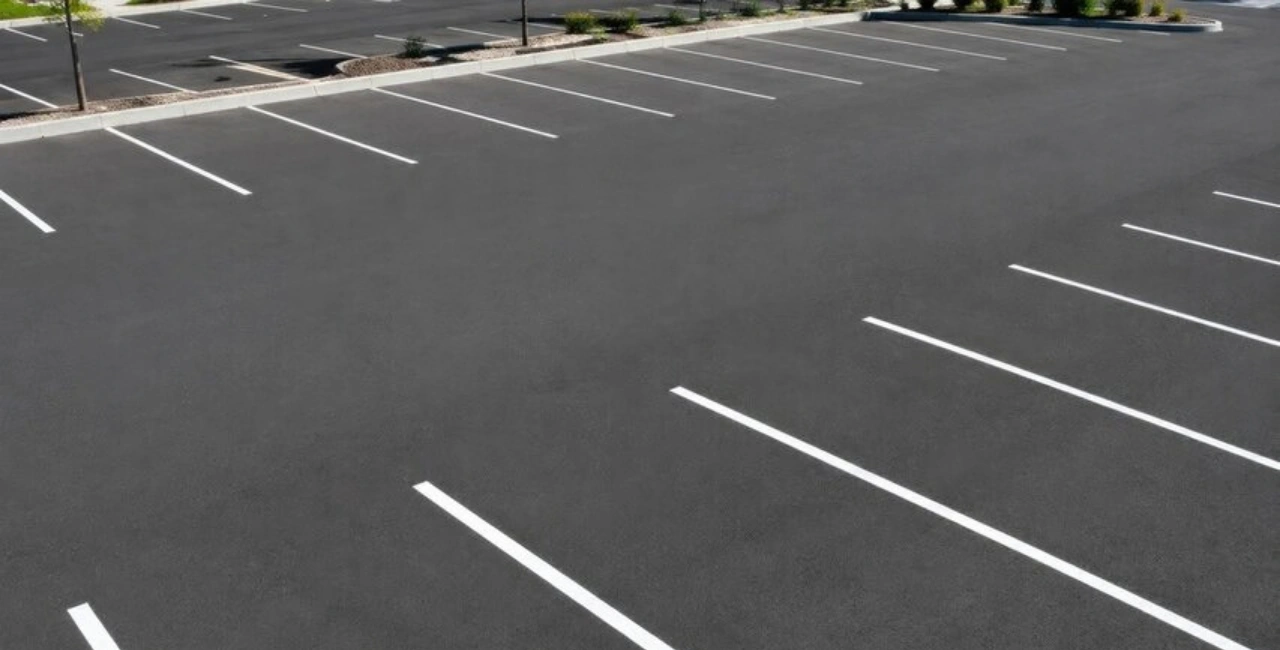
Parking lots are one of the most frequently used shared assets in a homeowners association (HOA) community. Residents, guests, service providers, and emergency vehicles depend on safe and well-maintained pavement every day. Over time, weather, traffic, drainage problems, and normal wear can cause cracks, potholes, faded markings, and other pavement issues.
For Miami HOA communities, regular parking lot maintenance is especially important. Florida’s heat, heavy rainfall, and storms can place additional stress on asphalt and drainage systems. A proactive maintenance program can help preserve pavement, improve appearance, and address smaller problems before they develop into expensive repairs.
What Does Parking Lot Maintenance Include?
Parking lot maintenance involves more than repairing visible potholes. A complete approach should consider the condition of asphalt surfaces, drainage, curbs, gutters, parking markings, and areas where vehicles regularly enter and exit.
HOA boards and property managers should periodically inspect common parking areas for early signs of deterioration. Cracks that allow water to reach the pavement base, standing water after rainfall, damaged curbs, and faded striping can all indicate that maintenance is needed.
The objective is to keep the parking area functional while extending the useful life of the existing pavement.
Why Is Parking Lot Maintenance Important for HOAs?
An HOA is responsible for maintaining common areas that residents use regularly. Neglected parking areas can affect curb appeal, accessibility, and the overall experience of residents and visitors.
Regular maintenance can also make budgeting easier. Addressing minor pavement problems during routine maintenance may help prevent them from becoming larger rehabilitation projects. Instead of waiting until a parking lot has widespread failures, an HOA can establish an inspection and maintenance schedule based on the property’s actual condition.
What Parking Lot Problems Should HOAs Watch For?
Several visible issues can signal that a parking lot requires professional attention.
Cracks and Surface Deterioration
Small cracks may seem insignificant, but they can allow water to penetrate the pavement. In Miami’s wet climate, moisture intrusion can contribute to progressive pavement deterioration.
HOA managers should document cracking and monitor whether affected areas are expanding. The appropriate repair depends on the type, size, and severity of the damage.
Potholes and Depressions
Potholes can develop when pavement deterioration progresses or when water affects the underlying materials. They can create uncomfortable driving conditions and may become larger if left untreated.
Depressions that repeatedly collect water should also be investigated because they may indicate drainage or underlying pavement issues rather than simply a surface defect.
Faded Parking Lot Striping
Parking spaces and traffic markings become less visible with age, vehicle traffic, weather, and repeated cleaning. Faded striping can make it harder for residents and visitors to identify parking spaces, travel lanes, accessible spaces, and other designated areas.
Southern Asphalt Engineering provides parking lot striping and roadway striping services, which can help HOA communities maintain organized and clearly marked common areas.
What Are the Key Maintenance Statistics?
The following figures provide general maintenance references for HOA planning. They are not fixed requirements because maintenance intervals should be determined by pavement condition, traffic, drainage, and site-specific conditions.
| Maintenance Factor | General Planning Reference |
| Routine parking lot inspection | At least 2 times per year |
| Recommended inspection timing | Before and after severe weather seasons |
| Parking lot striping review | Every 1–2 years or as markings fade |
| Drainage inspection | At least 1–2 times annually |
| Immediate concern | Potholes, standing water, or major pavement failures |
HOAs should adjust these intervals based on the property’s age, traffic levels, environmental exposure, and professional recommendations.
How Does Drainage Affect HOA Parking Lots?
Effective drainage is a major part of long-term parking lot maintenance. Water that remains on or beneath pavement can accelerate deterioration and contribute to surface failures.
HOA communities should watch for standing water following rain, clogged drainage areas, damaged gutters, and areas where water flows toward buildings or pedestrian routes. Addressing drainage concerns can help protect the pavement and reduce recurring maintenance problems.
Concrete curbing and gutters can also play an important role in parking lot and roadway infrastructure. Southern Asphalt Engineering offers concrete services focused on curbing and gutters for parking lots and roadways.
When Should an HOA Consider Asphalt Repairs?
An HOA should consider professional evaluation when cracks become widespread, potholes repeatedly return, pavement begins to deteriorate across larger areas, or drainage problems persist.
The appropriate solution may range from localized repairs to broader asphalt paving or restoration. Waiting until pavement becomes severely damaged can limit repair options and potentially increase project costs.
Companies like Southern Asphalt Engineering specializes in designing, installing, maintaining, and repairing parking lot areas and provides asphalt services for properties throughout Miami-Dade and Broward counties.
How Can HOAs Create a Maintenance Plan?
A practical maintenance plan should begin with regular inspections and documentation. Property managers can maintain records of pavement condition, previous repairs, drainage concerns, striping, and areas experiencing recurring problems.
HOA boards should also prioritize repairs based on safety and severity. Trip hazards, significant potholes, drainage failures, and heavily deteriorated driving areas may require earlier attention than minor cosmetic issues.
A professional pavement assessment can help an HOA understand which problems require immediate repair and which improvements can be scheduled as part of long-term capital planning.
What Should Miami HOA Communities Do Next?
A well-maintained parking lot requires ongoing attention rather than occasional emergency repairs. Regular inspections, timely asphalt maintenance, effective drainage, functional curbing, and visible striping can help keep HOA parking areas safe and attractive.
Southern Asphalt Engineering serves commercial and private-sector properties throughout South Florida and offers asphalt paving, concrete, parking lot striping, roadway striping, and related infrastructure services.
Preserving Your Miami HOA’s Parking Areas
Parking lot maintenance should be an important part of every Miami HOA’s property management strategy. Florida’s weather and regular vehicle use can gradually affect pavement, making preventive maintenance valuable for protecting a community’s shared investment.
By identifying pavement deterioration early, maintaining drainage, refreshing faded markings, and addressing repairs before they become major failures, HOA communities can keep their parking areas more functional and presentable. A consistent maintenance program also gives HOA boards a clearer basis for planning future repair and paving expenses.
FAQs
How often should a Miami HOA inspect its parking lot?
Miami HOA communities should generally inspect their parking areas at least twice a year and after major storms. Regular inspections can help identify cracks, potholes, drainage issues, and faded striping before they become more serious.
What are common parking lot problems in Miami HOA communities?
Common problems include asphalt cracks, potholes, surface deterioration, standing water, damaged curbs, drainage issues, and faded parking lot markings. Miami’s heat, rainfall, and storms can contribute to pavement deterioration.
Why is drainage important for HOA parking lots?
Proper drainage helps prevent water from remaining on or beneath the pavement. Standing or infiltrating water can contribute to pavement deterioration, potholes, and other costly problems over time.
When should an HOA consider asphalt parking lot repairs?
An HOA should consider professional evaluation when it notices widespread cracking, recurring potholes, standing water, pavement depressions, or significant surface deterioration. Early repairs may help prevent more extensive pavement damage.
How can parking lot striping benefit an HOA community?
Fresh parking lot striping helps clearly define parking spaces, traffic lanes, accessible parking areas, and other designated zones. Clear markings can improve organization, visibility, and the overall appearance of an HOA parking area.