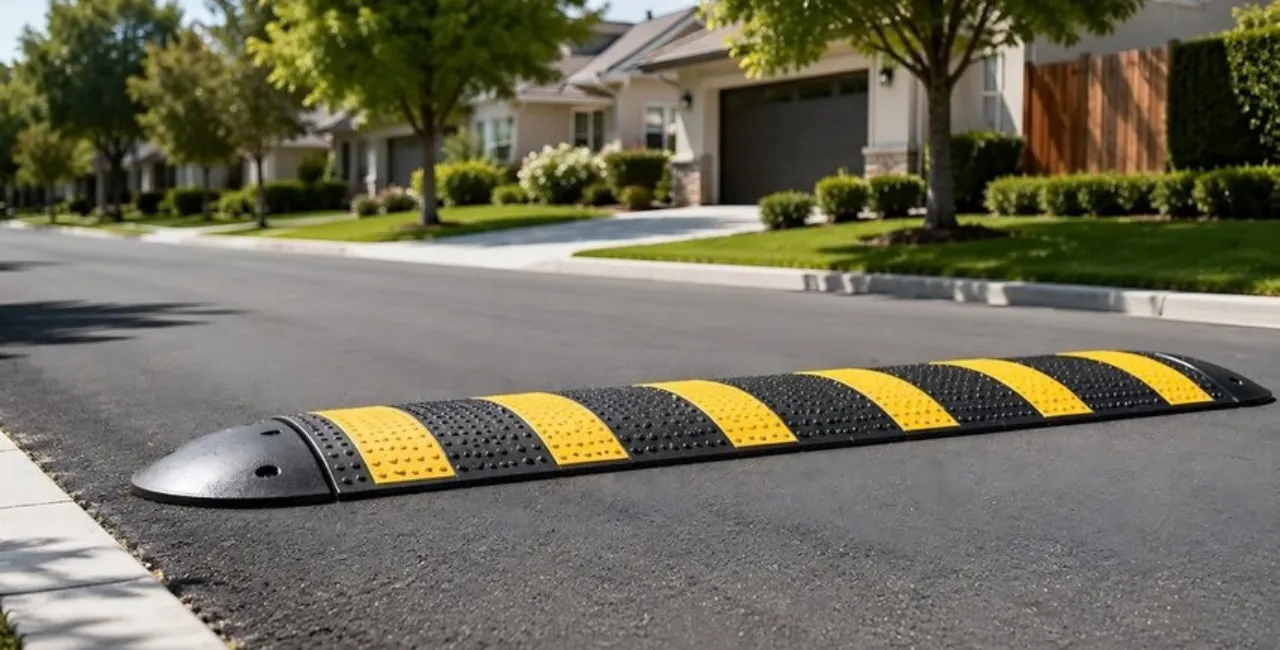
Speed bumps can be an effective way to manage vehicle speeds and improve safety on private commercial properties. For Miami property owners, deciding when to install speed bumps requires more than simply noticing that vehicles are moving too quickly. The property’s traffic patterns, pedestrian activity, parking layout, roadway conditions, and type of vehicles using the site should all be considered.
A properly planned traffic-calming solution can encourage drivers to slow down in areas where pedestrians, employees, customers, or other vehicles may be at greater risk. However, speed bumps should be installed strategically so they improve safety without creating unnecessary traffic problems or pavement damage.
What Is the Purpose of Speed Bump Installation?
Speed bumps are raised pavement features designed to encourage drivers to reduce their speed. They are generally most appropriate in private parking lots, driveways, commercial properties, and other controlled areas where vehicle speeds need to be moderated.
The objective is not to stop traffic but to create a visual and physical reminder for drivers to slow down. Placement is particularly important near pedestrian crossings, building entrances, parking areas, or locations where vehicles and pedestrians frequently interact.
When Should a Property Consider Speed Bumps?
Several conditions may indicate that a commercial or private property could benefit from speed-control measures.
Excessive Vehicle Speeds
If drivers regularly travel through a parking lot or private roadway faster than is appropriate for the environment, speed bumps may help encourage slower movement. This can be particularly useful on long, straight sections of pavement where drivers have little reason to slow down.
Heavy Pedestrian Activity
Properties with frequent pedestrian movement should pay close attention to vehicle speeds. Shopping centers, medical facilities, office complexes, residential communities, and other busy properties may have pedestrians crossing between parking spaces and buildings throughout the day.
A speed bump placed before a pedestrian-heavy area can encourage drivers to approach the location more cautiously.
Recurring Safety Concerns
Near-misses, complaints from pedestrians or employees, or repeated concerns about speeding can indicate that a property’s existing traffic-control measures are not sufficient. Before installation, property managers should evaluate the specific location and determine whether speed control addresses the underlying problem.
What Speed Bump Statistics Should Property Owners Know?
Exact requirements can vary by property, jurisdiction, road design, and applicable regulations. These figures provide general planning considerations rather than universal installation requirements.
| Speed Bump Planning Factor | General Consideration |
| Primary purpose | Encourage reduced vehicle speeds |
| Best location | Areas with recurring speeding or pedestrian conflicts |
| Warning signs | Should clearly alert approaching drivers |
| Pavement condition | Existing pavement should be suitable for installation |
| Placement priority | Safety, visibility, drainage, and traffic flow |
Property owners should verify applicable local requirements before installing traffic-calming features.
Where Should Speed Bumps Be Installed?
Placement can determine whether a speed bump is effective. Suitable locations may include internal parking-lot lanes, private access roads, long straight driveways, and areas approaching pedestrian activity.
Speed bumps should generally be visible to approaching drivers and accompanied by appropriate pavement markings or warning signs where required. They should not interfere with drainage systems, emergency access, accessible routes, or other essential property functions.
Poor placement can create additional problems. For example, installing a speed bump immediately before a sharp turn or in an area with inadequate visibility may create an unexpected obstacle for drivers.
Should Pavement Conditions Be Checked First?
Yes. Property owners should evaluate the existing asphalt before adding traffic-calming features. Cracks, potholes, drainage problems, or significant pavement deterioration may need to be addressed before speed-control measures are installed.
Companies like Southern Asphalt Engineering provide asphalt paving, concrete services, parking lot striping, and roadway striping for properties in Miami-Dade and Broward counties. Its services can support broader pavement and traffic-management improvements when a property is evaluating changes to its parking or roadway areas.
How Can Striping Improve Speed Bump Visibility?
Speed bumps work best when drivers can identify them before reaching the raised surface. Clear pavement markings can draw attention to the traffic-calming feature and reinforce the intended traffic pattern.
Parking lot and roadway striping can also help organize lanes, parking areas, directional movement, and other traffic zones. Southern Asphalt Engineering offers both parking lot striping and roadway striping services, which can complement a property’s broader traffic-management plan.
What Should Property Owners Consider Before Installation?
Before installing a speed bump, property managers should assess vehicle speeds, traffic volume, pedestrian activity, emergency access, drainage, pavement condition, and the location of entrances and exits.
It is also important to consider the types of vehicles using the property. Passenger vehicles, delivery trucks, service vehicles, and emergency vehicles may interact differently with raised pavement features. A traffic-calming solution should therefore be selected and positioned according to the property’s actual operating conditions.
Professional evaluation can help property owners determine whether speed bumps are appropriate or whether other measures, such as improved striping, signage, pavement redesign, or traffic-flow changes, may be more suitable.
Key Considerations for Speed Bump Installation
A Miami property should consider speed bump installation when vehicle speeds create a recurring safety or traffic-management concern, particularly in areas with substantial pedestrian activity. However, installation should be based on careful evaluation rather than simply adding bumps wherever speeding occurs.
Proper placement, visibility, pavement condition, drainage, markings, and traffic flow all influence the effectiveness of a speed-control system. Southern Asphalt Engineering works on asphalt projects throughout South Florida and provides commercial paving, parking lot maintenance, concrete, striping, and related infrastructure services.
For property owners considering traffic-calming improvements, evaluating the entire parking lot or roadway system can help create a safer, more organized, and more functional property.
FAQs
When should a Miami property consider speed bump installation?
A property should consider speed bumps when speeding vehicles create recurring safety concerns, particularly in parking lots, private roadways, commercial properties, or areas with significant pedestrian activity.
Where should speed bumps be installed?
Speed bumps are commonly considered for internal parking-lot lanes, private access roads, long driveways, and locations approaching pedestrian-heavy areas. Placement should account for visibility, drainage, emergency access, and traffic flow.
Do speed bumps damage asphalt pavement?
Properly designed and installed speed bumps should not inherently damage sound asphalt. However, existing cracks, potholes, drainage problems, or deteriorated pavement should be evaluated and addressed before installation.
Are warning signs needed for speed bumps?
Warning signs and pavement markings can help alert drivers to an upcoming speed bump. Property owners should check applicable local requirements to determine the appropriate signage and markings for their location.
Can parking lot striping improve speed bump safety?
Yes. Clear pavement markings can make speed bumps more visible and help drivers understand traffic patterns. Striping can also organize parking spaces, lanes, pedestrian areas, and directional movement.