Flooding is a major concern for commercial properties in South Florida. Heavy rainfall, flat terrain, and poor drainage systems can quickly turn parking lots into hazardous areas. Standing water not only disrupts business operations but also damages asphalt surfaces over time.
For property owners, implementing effective parking lot drainage solutions is essential to prevent flooding and protect pavement investments. Proper drainage design helps control water flow, reduce structural damage, and improve safety for both vehicles and pedestrians.
Whether you manage a retail center, office complex, or industrial facility, investing in the right drainage system can significantly improve long-term pavement performance.
What Is Parking Lot Drainage?
Parking lot drainage refers to systems designed to direct water away from pavement surfaces. These systems prevent water accumulation and reduce the risk of flooding, erosion, and structural damage.
Effective drainage systems are a critical part of parking lot maintenance and are often integrated during asphalt paving or resurfacing projects.
Common drainage components include:
- Catch basins
- Trench drains
- Stormwater pipes
- Sloped pavement design
- Permeable surfaces
Without proper drainage, water can penetrate asphalt, weaken the base layer, and lead to cracks, potholes, and premature pavement failure.
How to Prevent Parking Lot Flooding in Miami
The most effective parking lot drainage solutions include proper grading, installing drainage systems, and maintaining pavement regularly.
Key steps include:
- Designing proper slope for water runoff
- Installing catch basins and trench drains
- Repairing cracks to prevent water infiltration
- Using sealcoating to protect asphalt
- Scheduling regular inspections and maintenance
Combining these strategies helps prevent flooding and extends pavement lifespan.
Why do parking lots flood in Miami?
Miami’s climate and geography create unique drainage challenges. Understanding the causes of flooding helps property owners take preventive action.
Heavy Rainfall
South Florida experiences frequent and intense rainstorms, which can overwhelm poorly designed drainage systems.
Flat Terrain
Many commercial properties are built on flat surfaces, making it difficult for water to drain naturally.
Poor Pavement Design
Improper grading during asphalt paving can lead to water pooling in low areas.
Blocked Drainage Systems
Debris, dirt, and leaves can clog drains and prevent water from flowing properly.
Aging Infrastructure
Older parking lots may not have modern drainage systems capable of handling heavy rainfall.
What are the types of parking lot drainage solutions?
There are several drainage systems that can be used to prevent flooding in commercial parking lots.
1. Catch Basins
Catch basins collect water and direct it into underground drainage systems. They are commonly installed in low points of parking lots.
2. Trench Drains
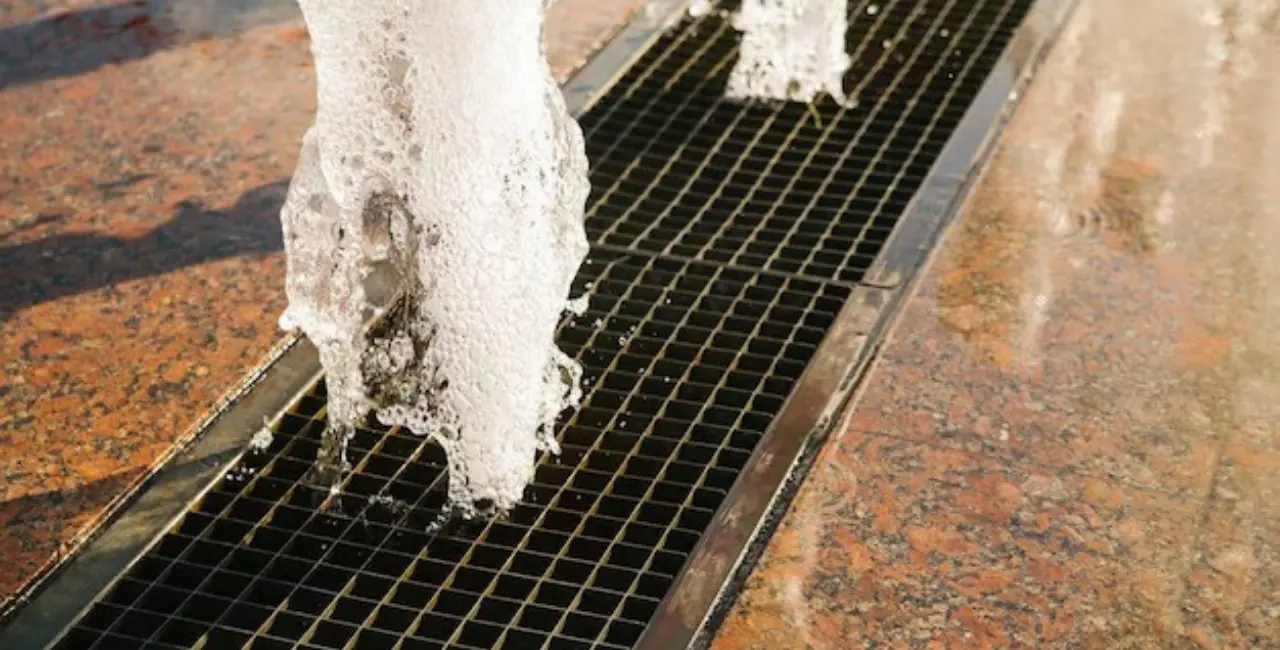
Trench drains are long, narrow channels that capture surface water and direct it away from pavement.
3. French Drains
French drains use gravel and perforated pipes to redirect water away from problem areas.
4. Permeable Pavement
Permeable asphalt allows water to pass through the surface, reducing runoff and pooling.
5. Proper Grading
Designing a parking lot with the correct slope ensures that water flows toward drainage systems instead of collecting on the surface.
Parking Lot Drainage Performance Comparison
Different drainage solutions offer varying levels of effectiveness depending on the property’s needs.
| Effectiveness | Drainage Solution | Best Use Case |
| Catch basins | High | Large commercial parking lots |
| Trench drains | Very high | Areas with heavy water flow |
| French drains | Moderate | Smaller drainage issues |
| Permeable pavement | High | Eco-friendly properties |
| Proper grading | Essential | All parking lots |
This table shows how combining multiple drainage solutions can provide the best results.
Drainage and Pavement Damage Statistics
Water is one of the leading causes of pavement deterioration, making proper drainage essential.
| Drainage Metric | Industry Data |
| Pavement damage caused by water infiltration | ~70% |
| Reduction in pavement lifespan without drainage | Up to 50% |
| Cost increase due to poor drainage repairs | 30–60% |
| Improvement in pavement lifespan with proper drainage | 20–40% |
| Businesses affected by parking lot flooding annually | Over 60% |
These statistics highlight the importance of investing in effective drainage systems.
Sources: Federal Highway Administration (FHWA), National Asphalt Pavement Association (NAPA), Environmental Protection Agency (EPA), Pavement Preservation & Recycling Alliance (PPRA)
What is the parking lot drainage installation process?
Installing a proper drainage system requires careful planning and execution.
Site Evaluation
Contractors assess the property to identify drainage issues and determine the best solution.
Design and Planning
Engineers create a drainage plan that includes slope adjustments and system placement.
Excavation and Preparation
The site is prepared for installing drainage components such as pipes and basins.
Installation of Drainage Systems
Catch basins, trench drains, or other systems are installed to manage water flow.
Pavement Restoration
After installation, the pavement is restored through asphalt paving or resurfacing.
Maintenance Tips for Parking Lot Drainage Systems
Proper maintenance ensures that drainage systems continue to function effectively.
Property owners should:
- Clean catch basins regularly
- Remove debris from drains
- Inspect pavement for cracks
- Schedule routine maintenance checks
- Repair damaged drainage components promptly
Regular parking lot maintenance helps prevent flooding and extends pavement life.
What are the benefits of proper parking lot drainage?
Installing effective drainage systems offers several advantages:
Flood Prevention
Proper drainage prevents water accumulation and reduces flooding risks.
Extended Pavement Lifespan
Keeping water away from asphalt helps prevent structural damage.
Improved Safety
Dry surfaces reduce the risk of slips, falls, and vehicle accidents.
Cost Savings
Preventive drainage solutions reduce the need for costly repairs.
Better Property Appearance
Well-maintained parking lots create a positive impression for customers.
When should you upgrade your parking lot drainage system?
Property owners should consider upgrading their drainage systems if they notice:
- Frequent flooding after rainstorms
- Standing water that does not drain
- Cracks and potholes caused by water damage
- Overflowing or clogged drains
- Uneven pavement surfaces
Addressing these issues early can prevent costly repairs and improve property safety.
Protect Your Property with Effective Parking Lot Drainage Solutions
Flooding can cause serious damage to commercial parking lots, leading to costly repairs and safety concerns. Without proper drainage, water can weaken pavement structures and shorten the lifespan of asphalt surfaces.
Investing in effective parking lot drainage solutions helps prevent flooding, improve safety, and extend pavement durability. By combining proper design, installation, and maintenance, property owners can protect their investment and ensure long-term performance.
Working with experienced professionals like Southern Asphalt Engineering ensures that drainage systems are tailored to local conditions and built to last. For Miami businesses, proactive drainage planning is essential to maintaining functional, safe, and flood-free parking lots in a challenging climate.
FAQs
What is the best drainage solution for parking lots?
The best solution depends on the property, but combining proper grading with catch basins or trench drains is often most effective.
How often should drainage systems be maintained?
Drainage systems should be inspected and cleaned at least twice a year or after major storms.
Can drainage problems damage asphalt?
Yes. Water infiltration is one of the leading causes of asphalt deterioration and structural damage.
Is permeable pavement a good option?
Yes. Permeable pavement allows water to pass through, reducing runoff and improving drainage.